
Single-use barricade tape is quick and cheap, but on demanding job sites it often turns into rework. Wind, traffic, and shifting work zones leave tape sagging or shredded, and the boundary has to be rebuilt. This article looks at the real-world tradeoffs behind that cycle, and how a reusable barricade tape alternative like Rise Tape can reduce repeat installation and cleanup on longer-duration perimeters.
What Barricade Tape Is For
Barricade tape (caution tape or safety tape) is meant to be a visual warning that marks a boundary and cues people to slow down, stop, or reroute. In most safety programs, warning lines fall under administrative controls, which influence behaviour but do not physically remove the hazard, so higher-risk situations still call for higher-level controls when feasible.
Why Disposable Tape Becomes Expensive
The roll price is rarely the issue. The cost shows up when tape fails repeatedly and crews spend time re-taping after wind events, equipment contact, or routine boundary changes. When a line looks sloppy or broken, people stop trusting it, and a boundary that should be obvious starts getting treated as optional.
Cleanup and Waste
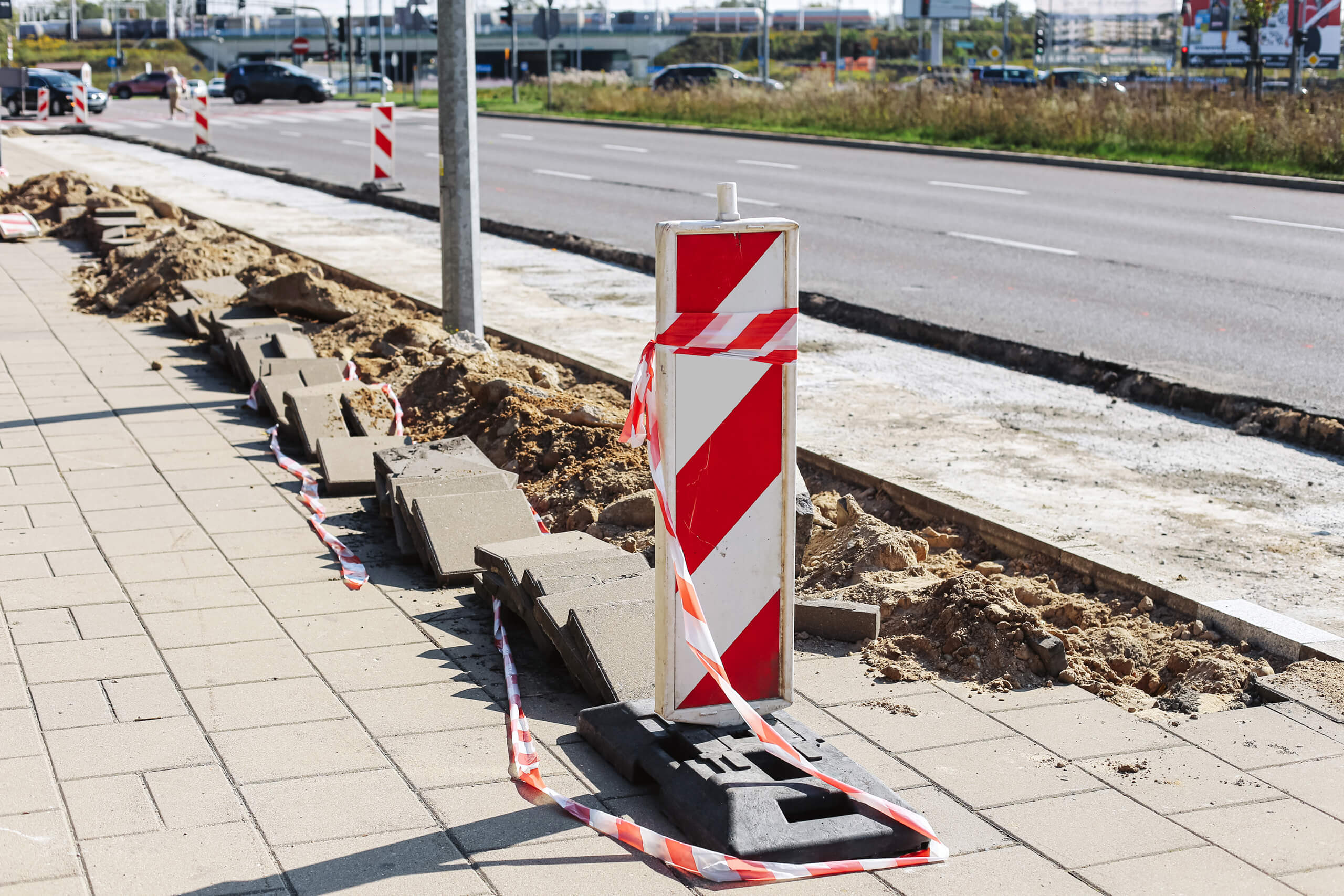
There’s also the cleanup side. Thin plastic film tears into pieces that blow into brush, ditches, snowbanks, and sometimes waterways, and it’s hard to recover every shred. More broadly, research on plastics production and waste shows that most plastic waste has historically accumulated in landfills or the natural environment rather than being recycled.
Why Boundary Reliability Matters
On busy sites, attention is split across noise, machinery, vehicles, and changing conditions. Human factors research on warnings consistently shows that warnings work best when they reliably capture attention and are easy to interpret, especially in environments full of distractions. If your boundary line fails physically, the warning often fails with it.
What To Look For In a Reusable Alternative
A reusable barricade system should handle the conditions that shred disposable tape. In practice, that means it needs to stay visible in harsh weather, resist wind and abrasion, deploy and retrieve quickly, and store cleanly so reuse actually happens.
Rise Tape For Hazard Identification
Rise Tape was designed as a reusable hazard-marking system that’s meant to stay visible and intact longer than thin film tape. It uses a durable mainline with high-visibility, reflective flags spaced along it, and it can be tied to common site hardware like posts, cones, vehicles, or structures for fast deployment. That durability and quick tie-off are a big reason oil & gas teams have replaced disposable barricade tapes with Rise Tape.
Rise Tape is also available with colour-coded mainlines beside white, so users can mark zones with varying hazard levels. For example: red for no entry and extreme danger, and yellow for extreme caution where a permit is required.

Rise Tape As a Rope Guardrail
Cheap, single-use barricade tape is a visual cue. It’s not designed to take load or hold up as a physical boundary, which is why it tears, stretches, and disappears the moment conditions get rough. Rise Tape is different. Because it’s built around a high-strength woven mainline, it can also be used as a rope guardrail boundary in the right setups, giving you one system that can mark zones and create a more robust perimeter when your site plan calls for it.

Summary
Single-use barricade tape is convenient, but on active outdoor sites it often becomes a cycle of tearing, re-taping, and cleanup, which costs labour and reduces boundary clarity. We made Rise Tape to be the reusable alternative to single-use barricade tape: a durable boundary line you can deploy, retrieve, and redeploy so your hazard perimeters stay obvious longer in harsh conditions.