
Laydown yard safety depends on keeping storage, handling and access zones aligned with the work happening now. The practical task is to make changes visible before crews, drivers or inspectors act on yesterday’s arrangement.
Laydown Yard Transitions
Consider a route past stored pipe that gives a clear view of the next aisle. A delivered skid blocks that view. Later, a trailer positions beside the stack for loading, and the same route now crosses the handling area. The yard’s overall purpose has not changed, but the conditions at that corner have.
Laydown yard safety controls should follow the activity, not just the storage location. In a busy construction laydown area, review affected routes and boundaries before the next operation begins.
Separate Material Status
Material status and access status are different. Inspection staff may need controlled access to an item on hold, while an accepted load can still require an exclusion zone during handling. Safety markings in the laydown yard should communicate the current restriction, not leave people to infer it from the inventory.
Active Handling Areas
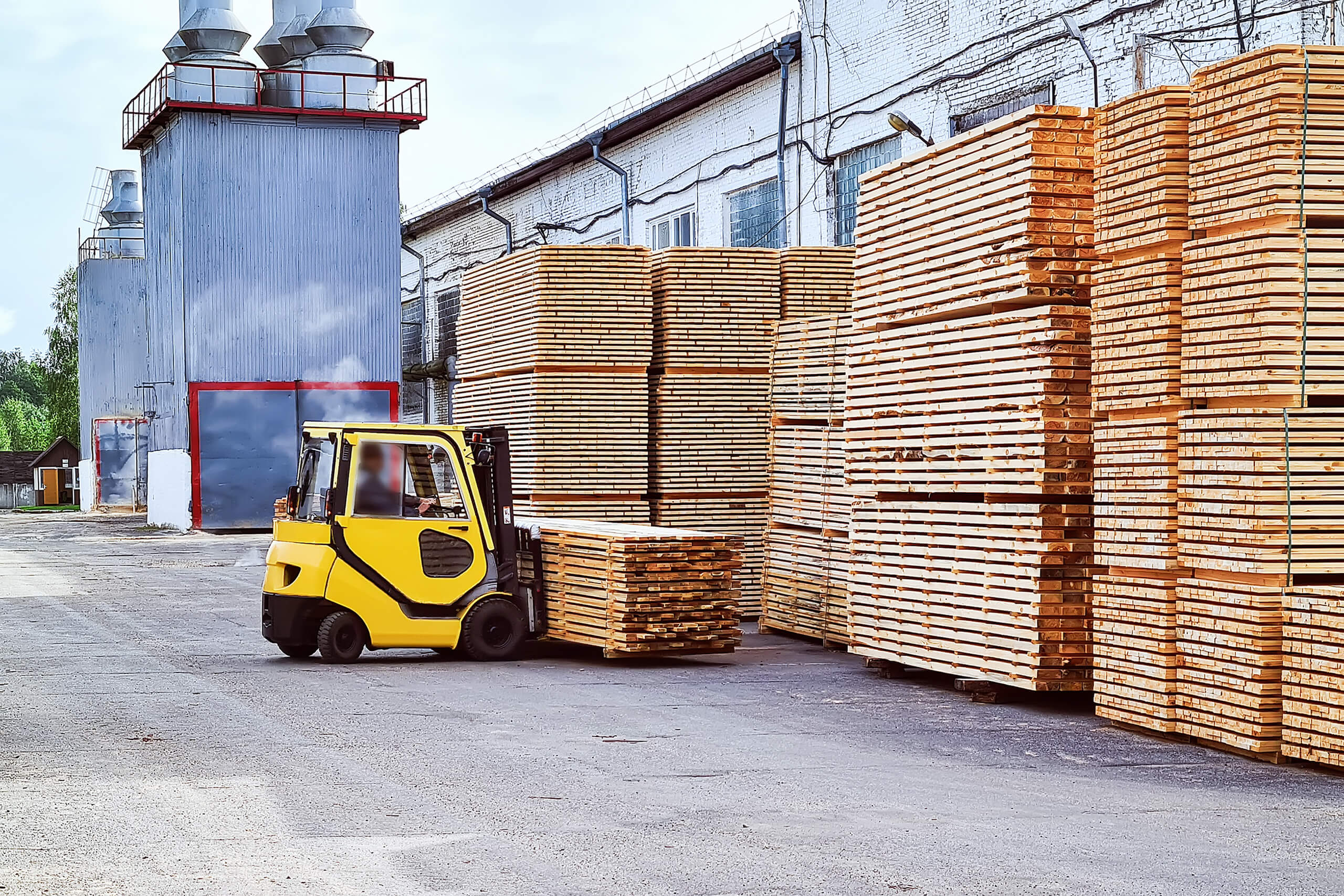
Retrieving one item can require equipment manoeuvring room, rigging access and a load path beyond the stack. If those movements extend into an adjacent route or inspection area, the storage boundary no longer describes the active work zone.
The end of the pick is another transition: removing a load does not automatically mean the route is ready to reopen. Check the remaining stack and affected access before releasing the area. U.S. OSHA’s storage standard addresses both secure stacking and clear aisles.
Recheck Pedestrian Routes
Recheck the route from the pedestrian’s approach, not just from the operator’s cab. A taller stack can hide someone at a crossing; a relocated pallet can divert a regular walkway into a reversing area. U.K. HSE’s traffic-management guidance emphasizes separation and warns against obstructed walkways that force pedestrians onto vehicle routes.
When a route in the laydown yard closes, review pedestrian safety along the approved alternative route before affected movements continue. The alternative may avoid one loading operation but lead into another. Include visiting drivers and inspectors in the route update.
Protect Emergency Access
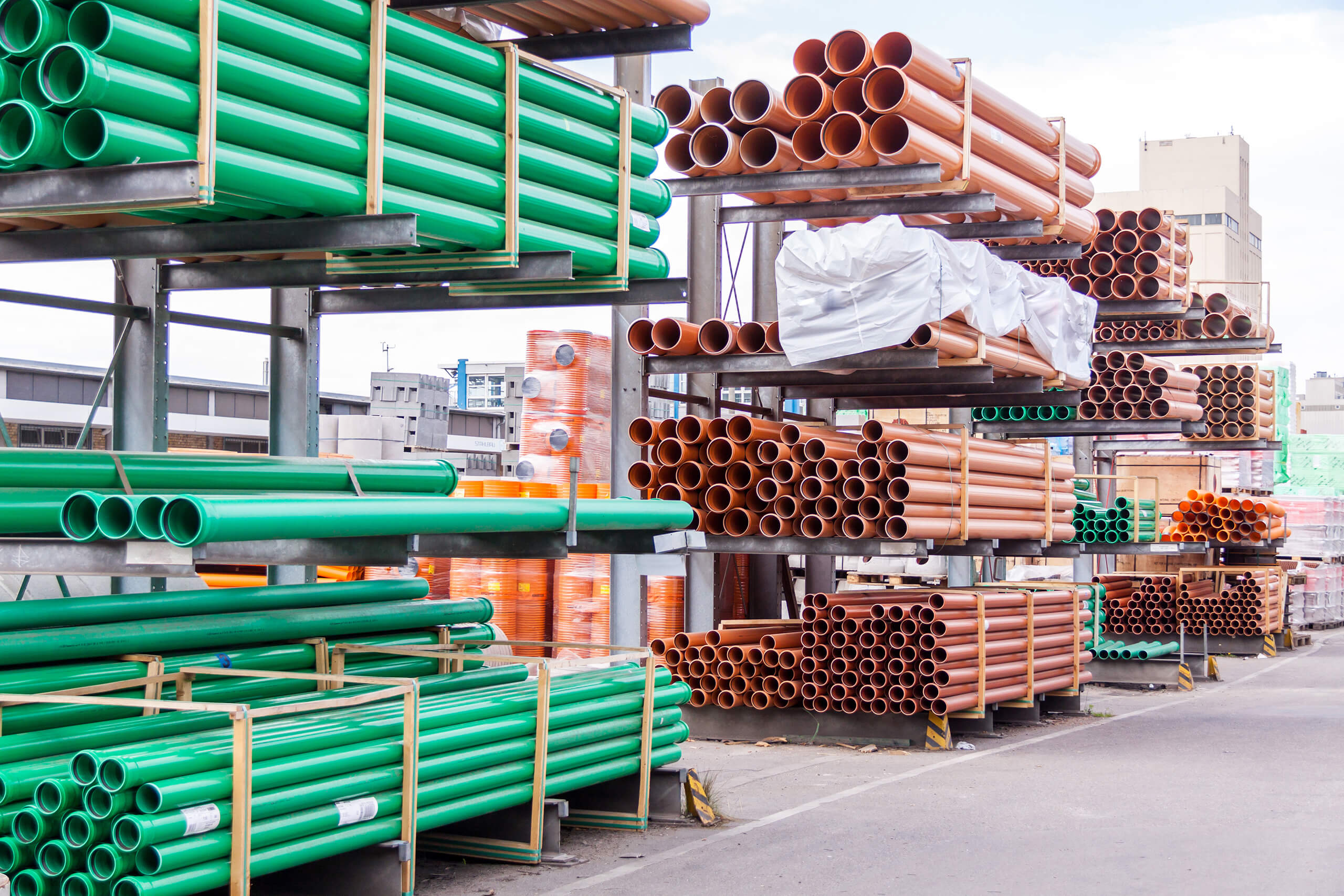
A delivery trailer can compromise laydown yard safety without stopping normal traffic: it may leave a pedestrian exit route open while blocking the designated approach for emergency responders. Check temporary staging against the site’s emergency plan, including access to emergency equipment and building exits.
Laydown Yard Safety Checks
Treat each significant material move as a prompt to review the affected safety controls, not automatically a reason to repeat the entire assessment. Has a storage edge expanded? Is a crossing still visible? Has the unloading position shifted? Does an old gap now look like an entrance? Resolve affected access arrangements before normal traffic resumes.
Close out the move by resetting affected boundaries and communicating the new access arrangements to the crews using the yard. Include those changes in the next shift’s handover.
Portable Zone Marking
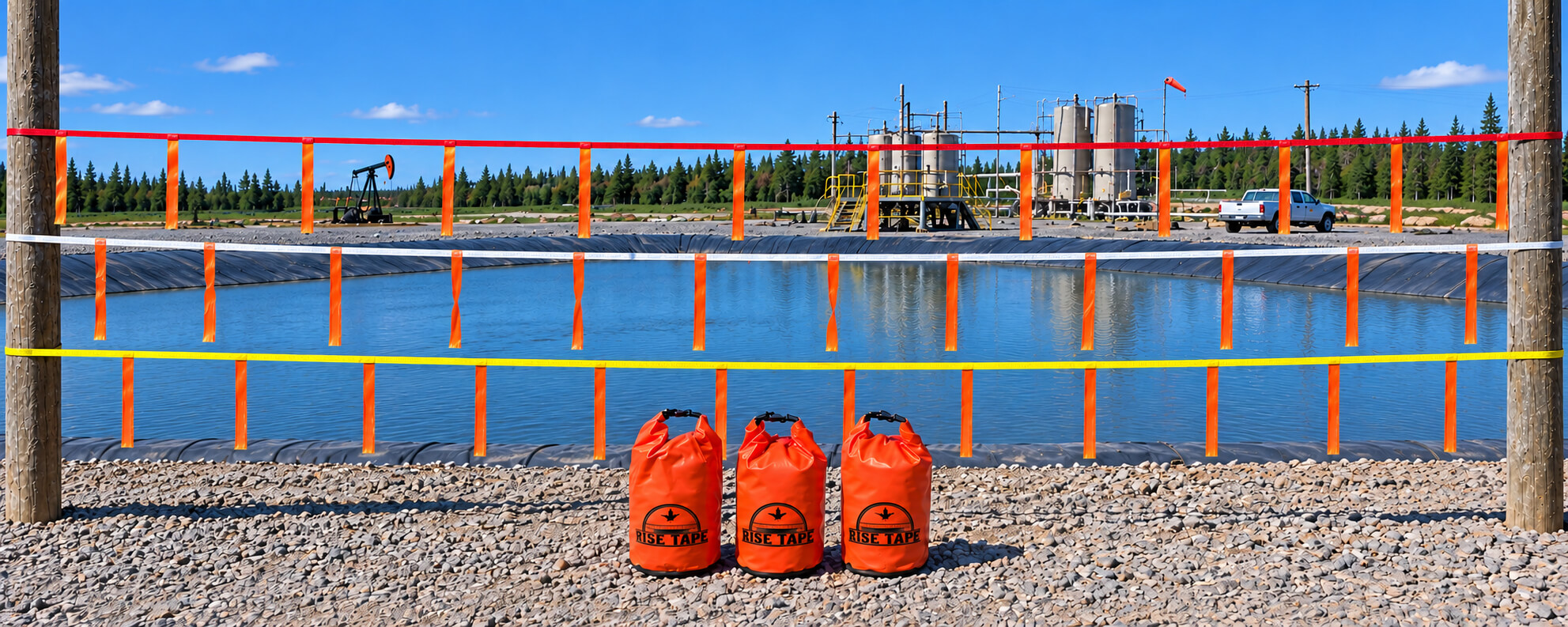
Rise Tape provides a portable, reusable line for designated storage, staging and temporary work-zone boundaries where visual marking is appropriate. Its woven polyester mainline carries UV-resistant flags with reflective striping.
For frequently relocated laydown yard zones, Rise Tape Barricade Bags keep the line attached to a waterproof carrying bag for retrieval and redeployment. Use the line with site-approved signs and access controls.
Colour-Coded Boundaries
Rise Tape is available with red, yellow and white mainlines, supporting a colour-coded barricade system based on the site’s established conventions. When a handling zone moves, its colour can carry the same restriction to the new location. When a storage bay becomes an active loading area, the required colour may change with the activity.
The colour signals a category; signs, tags and site procedures explain the access requirements for that particular zone. Update them together when the activity changes.
Keep Zones Current
Keep laydown yard safety checks focused on the current arrangement: what is stored, where handling is active, how people travel and which access must remain open. For visual boundaries that need to move with inventory, explore Rise Tape Barricade Bags.