
In suspended load safety, unauthorized entry into a controlled area is an operational signal. It shows whether the lift controls fit the surrounding work. Repeated crossings, improvised openings and late interventions can indicate conflicts involving routes, zone status, monitoring or concurrent work. After the required response, the review should ask what made the breach possible and whether it could recur.
Start With the Pattern, Not the Person
A useful review of safety around a suspended load does not ask only who crossed the crane exclusion zone. It asks why crossing became practical, necessary or apparently acceptable. Repeated entry at one location should prompt a review of routes and access points. Breaches concentrated in one lift phase should prompt a review of that phase’s controls.
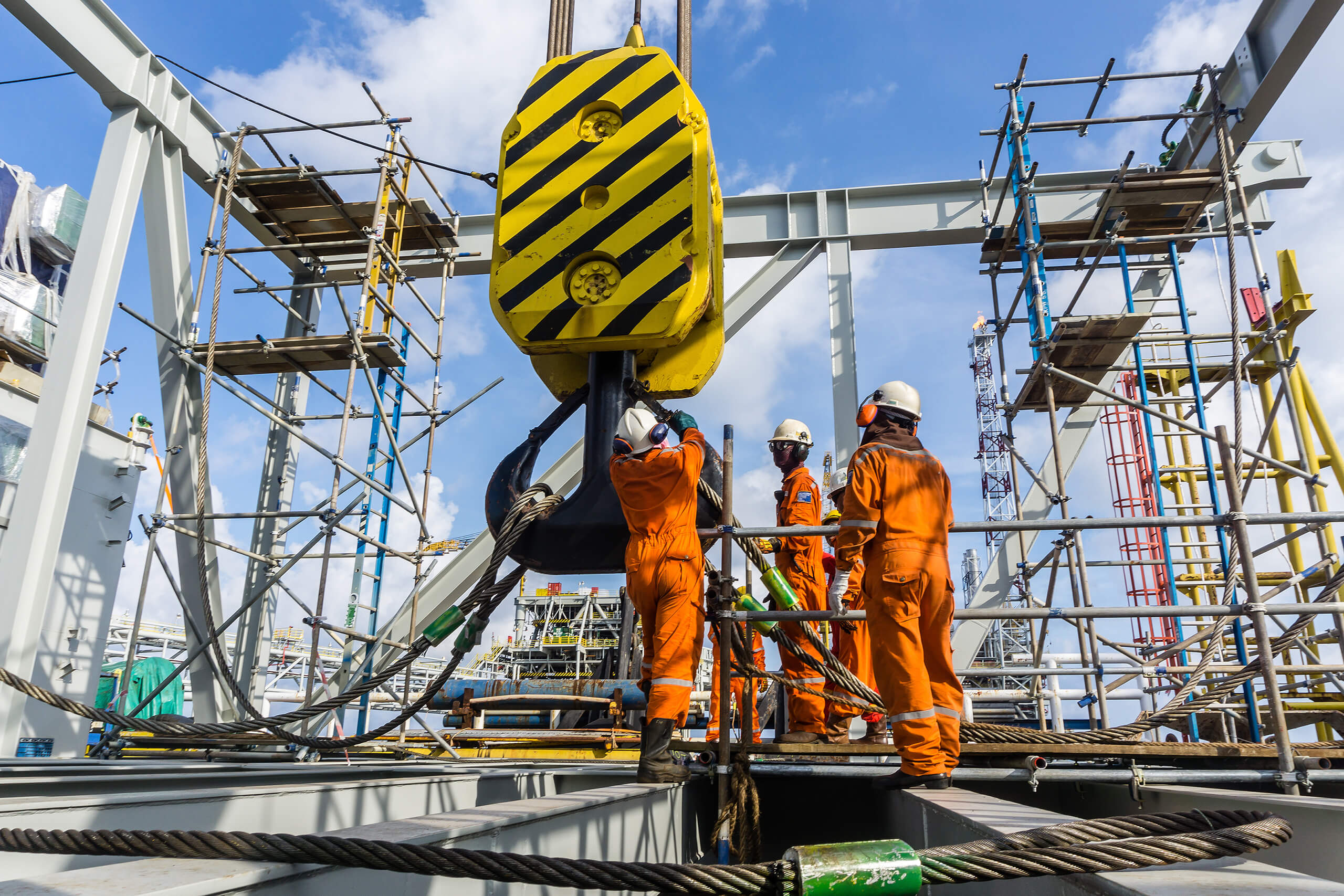
This distinction is visible in a WorkSafeBC investigation of a flytable incident. CCTV showed workers often beneath suspended loads and entering areas that should have been ground-control zones, with no effective controls in place. WorkSafeBC also found unclear responsibility for establishing and monitoring those zones. The report identifies other contributing factors. For this article, the ground-control finding is relevant because it concerns exposure to the falling load, not because it caused the load to fall.
In B.C., OHS Regulation 14.38(6) applies when hoisting and other work occur together. It requires the employer or prime contractor to organize and control uninvolved people.
Breach Patterns Worth Investigating
Treat breach location, timing and entrant role as useful data when reviewing the safety of a suspended load operation. Each pattern suggests a question to test, not a conclusion:
| Observed pattern | Control question to test |
|---|---|
| Same crossing point | Does the planned route conflict with the boundary? |
| Entry while the lift is paused | Is zone status understood while the load is stationary? |
| Lift-related entrant remains | Is exit confirmed before the lift state changes? |
| Boundary moved for materials | Were logistics and simultaneous work coordinated? |
| Incursion after shift change | Was control of the zone formally handed over? |
| Intervention comes late | Are sightlines, coverage or competing duties affecting detection? |
In a review of safety controls for a suspended load, recurrence does not prove a cause. It directs the review. If a workaround returns, the conditions that make it attractive, necessary or easy may still be present.
Do Not Treat Every Controlled Area as Equivalent
Plans for safety around a suspended load must distinguish among the site’s defined zones. Permission to enter one zone does not automatically authorize entry to another, much less the area directly beneath the load. Applicable legislation, the owner’s standard and the lift plan govern each area.
Regulations make the distinction concrete. In British Columbia, WorkSafeBC OHS Regulation 14.44 requires, where practicable, arranging work to prevent a load from passing over anyone. It also prohibits workers from standing under or passing beneath a suspended load.
In U.S. construction, OSHA defines the fall zone as the area where suspended materials could reasonably fall. Under 29 CFR 1926.1425, only employees performing listed tasks may be in that zone while the operator is not moving the load. When a load is being landed, only employees needed to receive it may be there. Safety around a suspended load depends on the applicable rule, task and load state, not a person’s crew role.
Paused Is Not the Same as Released
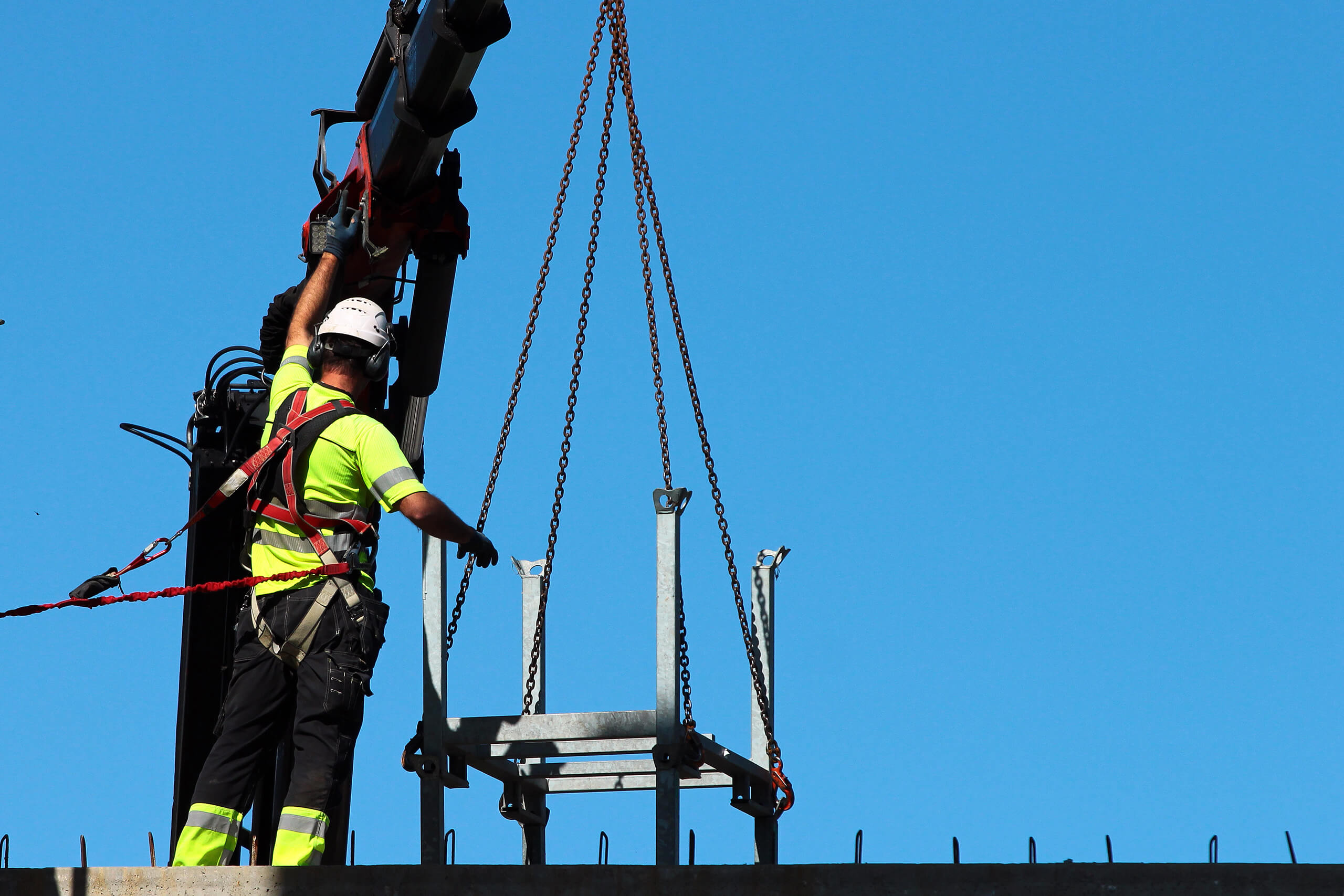
A paused lift is a useful test of drop zone safety: motion has stopped, but the suspended load and its fall hazard remain. OSHA’s rule restricts who may be in the fall zone while the operator is not moving a suspended load. A pause therefore does not, by itself, release a lifting exclusion zone or make the area available to surrounding work.
Use the site’s terminology to state whether the zone remains in force, whether controlled entry is authorized and who can release the area. Release criteria must come from applicable requirements and the lift plan, not from an assumption that a stationary load is safe.
A Breach Review Should Change Something
The immediate response depends on the lift plan, the load’s condition and site requirements. It should not introduce another hazard through an improvised movement. The lift plan and site procedure should define stop and restart authority. They should also define how a breach is communicated and what must be re-established.
When a zone breach occurs while a load is suspended, the record should say more than “person entered zone.” Note where and when it happened, the lift phase, the zone entered, the entrant’s role and intended destination, and how the breach was detected. Those details help determine whether it was isolated or points to a recurring issue with access, zone status, monitoring or a particular lift phase. The record supports any investigation required by site procedure; it does not replace it.
Boundary Reliability Still Matters
A line that tears, sags or detaches may obscure the intended boundary. Where a visual or rope-style perimeter is permitted, it should remain conspicuous. Crews should be able to retrieve and reconfigure it as the approved boundary changes.
Rise Tape provides an industrial grade, reusable option for hazard identification with a woven mainline and retroreflective markings. Rise Tape Barricade Bags are available with 50, 100 or 250 feet of line for retrieval and redeployment. Where a rope barrier is appropriate, review the rope guardrail application against the lift plan, site rules and applicable design requirements.

Use Breaches to Improve Safety Around a Suspended Load
An unauthorized incursion requires the response specified by the lift plan and site procedure. It should also trigger a review of the location, lift phase, entrant and intended destination. That evidence can help distinguish an isolated deviation from a recurring route, status, handover or monitoring problem. For broader guidance, see Line of Fire Safety: Where Controls Break Down. Where the approved control calls for portable visual delineation or an appropriate rope-style boundary, consider Rise Tape Barricade Bags for retrieval and redeployment.