
Managing falling ice hazards requires access decisions at each stage of the work: while ice remains overhead, during deliberate removal and before the area returns to normal use. For supervisors and facilities teams, the difficult cases are often entrances, service bays and pedestrian routes that operations still need. Managing that access means distinguishing between progress on the removal task and the conditions needed to reopen access.
Falling Ice Hazards Above a Cleared Route
Imagine a maintenance-building entrance that has been ploughed and treated while ice remains along the roof edge. Surface maintenance is complete, but the overhead exposure remains. An update saying “entrance cleared” could mean the snow-clearing crew has finished or that the route is available for use. Separating those statuses gives operations a more useful answer.
Ontario’s falling-ice alert addresses both overhead accumulations and meltwater refreezing below. An access update should distinguish surface treatment from the status of the ice above the route, so completion of one task does not imply that the entrance is ready to reopen.
Review the Restricted Area Before Removal Begins
Intentional removal may change the path of falling ice and the area that needs to be kept clear. Obstructions below the work can deflect ice beyond the space directly beneath the formation, so a cordon set up while waiting for removal may no longer cover the full exposure. Review its extent against the agreed removal method before work begins. Our line of fire safety article explains how an object’s potential travel should inform the controlled area.
The review should also identify nearby occupied structures and active work areas that rely on routes through the proposed restricted zone, even if those spaces are outside it. Deliveries, shift changes and routine movement between work areas can create access needs that an empty walkway does not reveal. Confirm those needs with the affected teams before scheduling removal, so the work and any temporary route closures are coordinated.
Resolve Access at Entrances and Service Bays
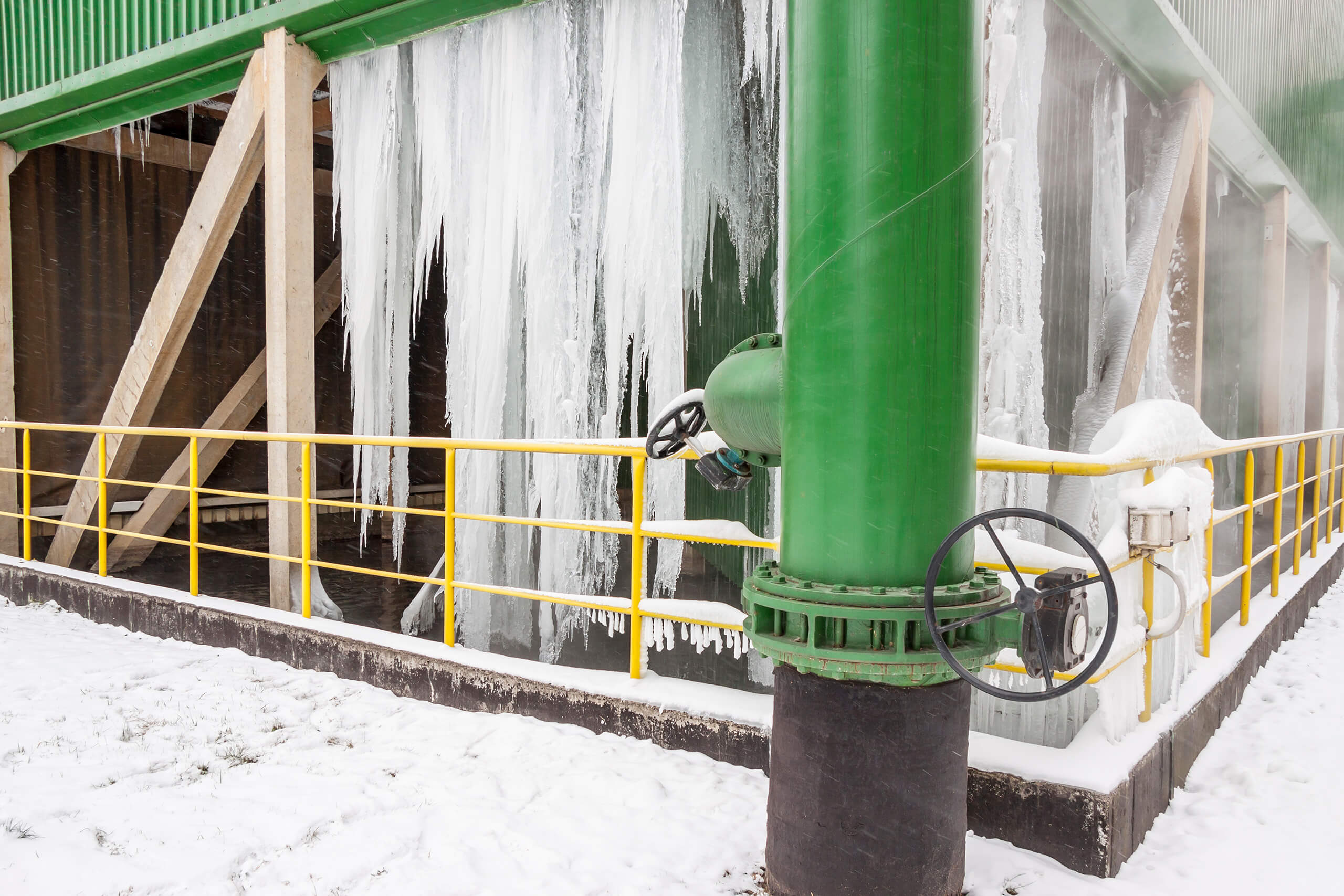
Where falling ice hazards affect an entrance, the closure has consequences on both sides of the door. Returning to the maintenance-building example, an outside cordon may be visible to approaching pedestrians while people leaving the building still encounter the affected area. The access arrangement needs to account for how the building remains occupied, how users reach an alternative entrance and whether necessary emergency access and egress remain available. An alternative entrance along the same roof edge may share the original exposure, so assess the full approach before redirecting people there.
WorkSafeBC’s snow-removal guidance recommends ground-level cordons and warning signs for overhead snow and icicle exposure. Where pedestrian or vehicle traffic makes inadvertent entry more likely, assess whether a visual cordon provides adequate access control or whether hard barricades are needed. Where access must continue through an affected area, address the overhead exposure itself. A marked route alone cannot provide overhead protection.
Confirm Which Areas Can Reopen
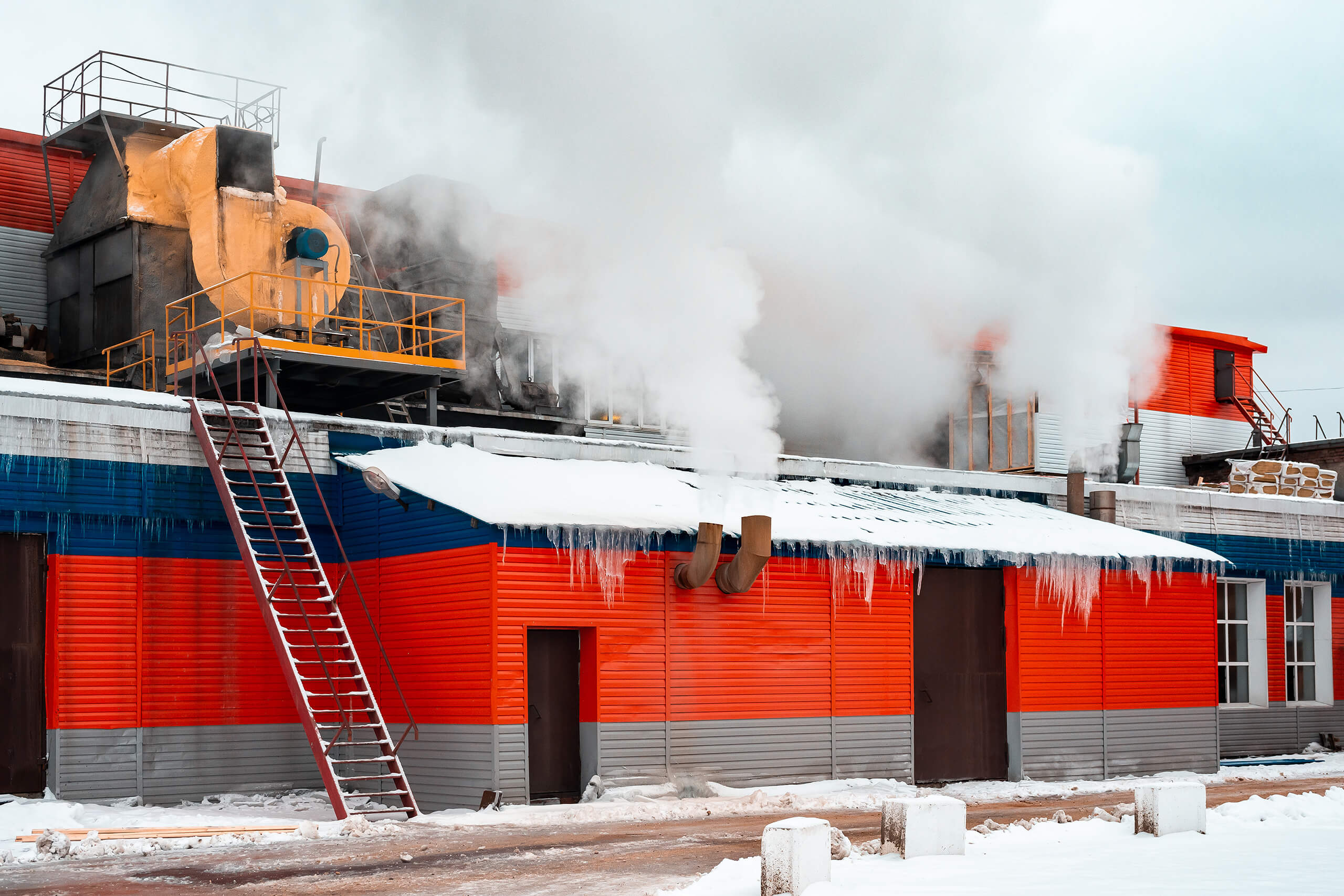
Before reopening, confirm what has been cleared and what remains unresolved. Completing the planned removal does not, by itself, establish whether other overhead ice remains or whether dislodged ice has become caught on pipe racks or other structures. For access planning, record the location and status of any remaining falling ice hazards alongside the completed work. That gives the person releasing the area a clearer basis for deciding which restrictions still apply.
A specific handback might distinguish “ice removed above the west entrance” from “adjacent loading-bay approach remains closed.” This illustrative wording makes the extent of the completed work explicit without implying that the whole building perimeter is available. Access may need to be reassessed after reopening, as daytime thawing and overnight refreezing can create new overhead ice hazards.
Keep the Approved Restriction Visible
Once the site has determined where visual delineation is appropriate, Rise Tape Barricade Bags provide a reusable flagged line for marking restricted approaches. The line remains attached to a portable, waterproof carrying bag for deployment, recovery and storage. The line can remain in place while other work progresses, then be recovered and stored when the area is released. Its role is to communicate the approved boundary. The site assessment determines any additional barriers or overhead protection.
Managing falling ice hazards means keeping access aligned with the condition of each affected area before, during and after removal. Clear distinctions between surface clearance, removal completion and reopening help prevent one update from being read as approval for another activity. For reusable equipment to mark restricted work areas, contact Rise Tape about Barricade Bags.