
Crews can usually recognize obvious line of fire safety hazards such as swing radii, suspended loads and pinch points. The greater challenge is ensuring that controls continue to reflect the work after equipment positions, energy states, access routes or scopes change. The useful question is not simply whether an exclusion zone is present. It is whether the controlled area still covers the credible path of movement or released energy, and whether the means used to keep people out is strong enough for the consequence of a breach.
The Hazard Envelope Is Larger Than the Equipment Footprint
The hazard envelope is the area that equipment, an object or released energy could reach. It may include a counterweight swing, reversing path, rollback on grade, load shift, dropped or deflected object, recoil from a tensioned line or discharge from a pressurized system. The normal operating path is only the starting point. A line of fire safety review also has to consider reasonably foreseeable unintended movement and where people may be positioned if it occurs. The IOGP Line of Fire materials reinforce this broader view of positioning relative to equipment, objects and hazardous energy.
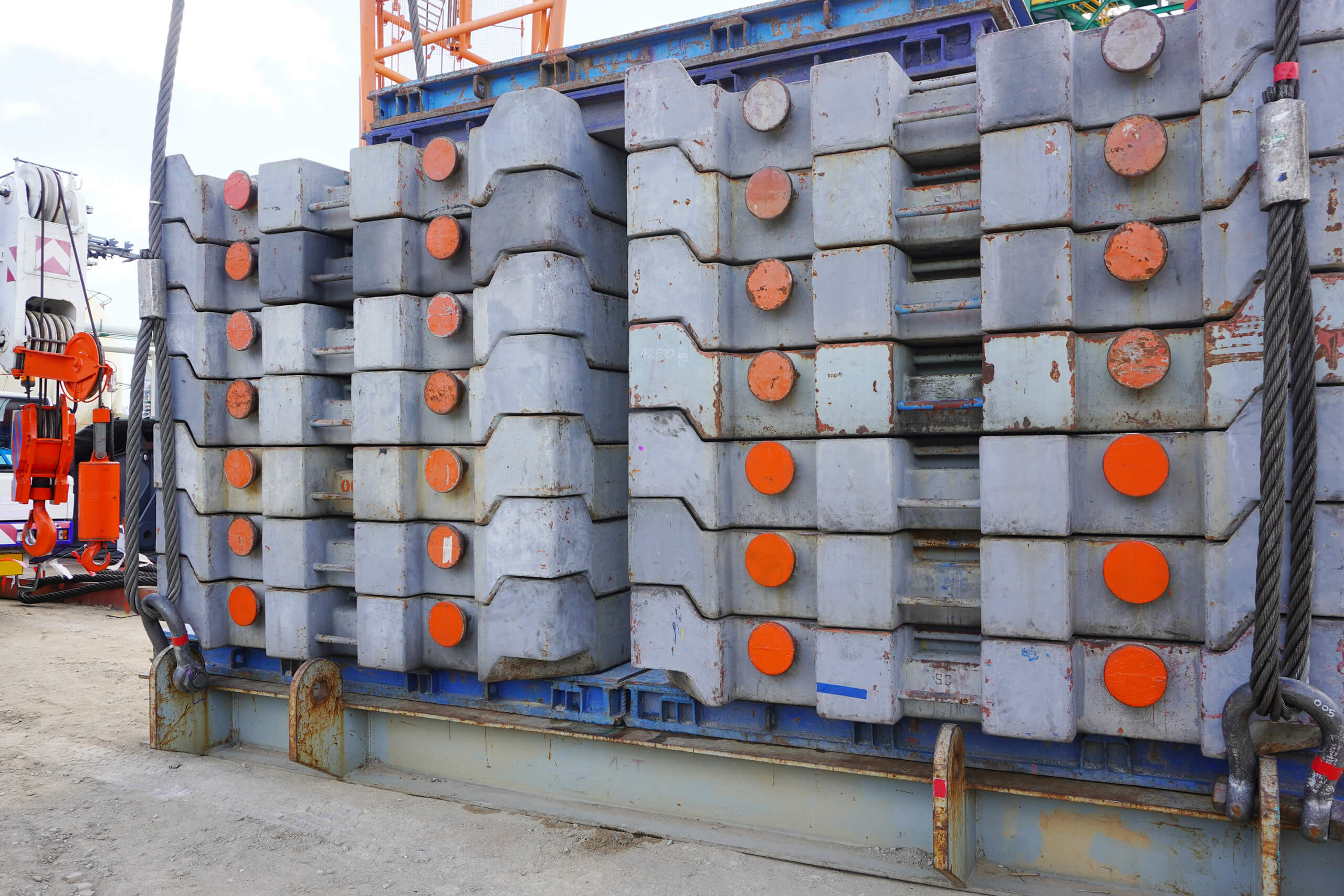
A perimeter drawn tightly around the task may leave workers outside the equipment footprint but inside the exposure path. For crane and hoist work, people need to remain outside hazardous swing or shearing movement and prohibits standing or passing beneath suspended loads. The boundary should follow the exposure geometry, not the machine outline.
Line of Fire Safety Controls Must Move With the Work
A boundary can be correct at setup and wrong an hour later. Equipment is repositioned, a load path changes, materials narrow an access route, wind affects load control or another contractor introduces an overlapping operating zone. None of these changes needs to be dramatic to alter who can enter the hazard envelope.
Reassessment triggers should therefore be explicit rather than left to judgement in the moment. Review the zone when:
- Equipment, attachments or setup change
- The load path or energy state changes
- Access routes or staging areas move
- Another work group enters or overlaps the area
- Weather, visibility or ground conditions affect movement
This is especially important during shutdown, turnaround and outage work, where scope, access and simultaneous operations can change between shifts.
When a Visible Line Does Not Communicate Enough
An intact boundary can still be operationally weak if its meaning is unclear. Workers and contractors may need to know the hazard, area affected, entry restriction, required authorization or permit, area owner and condition that will end the restriction. The line identifies the perimeter, but signs, tags, procedures and site orientation establish its meaning.
Colour is one cue, not a complete access rule. The meanings assigned to colours must come from the site system and applicable requirements, not the material alone. Our guide to caution tape versus danger tape examines that distinction in more detail.
When a Marked Boundary Relies on Behaviour Alone
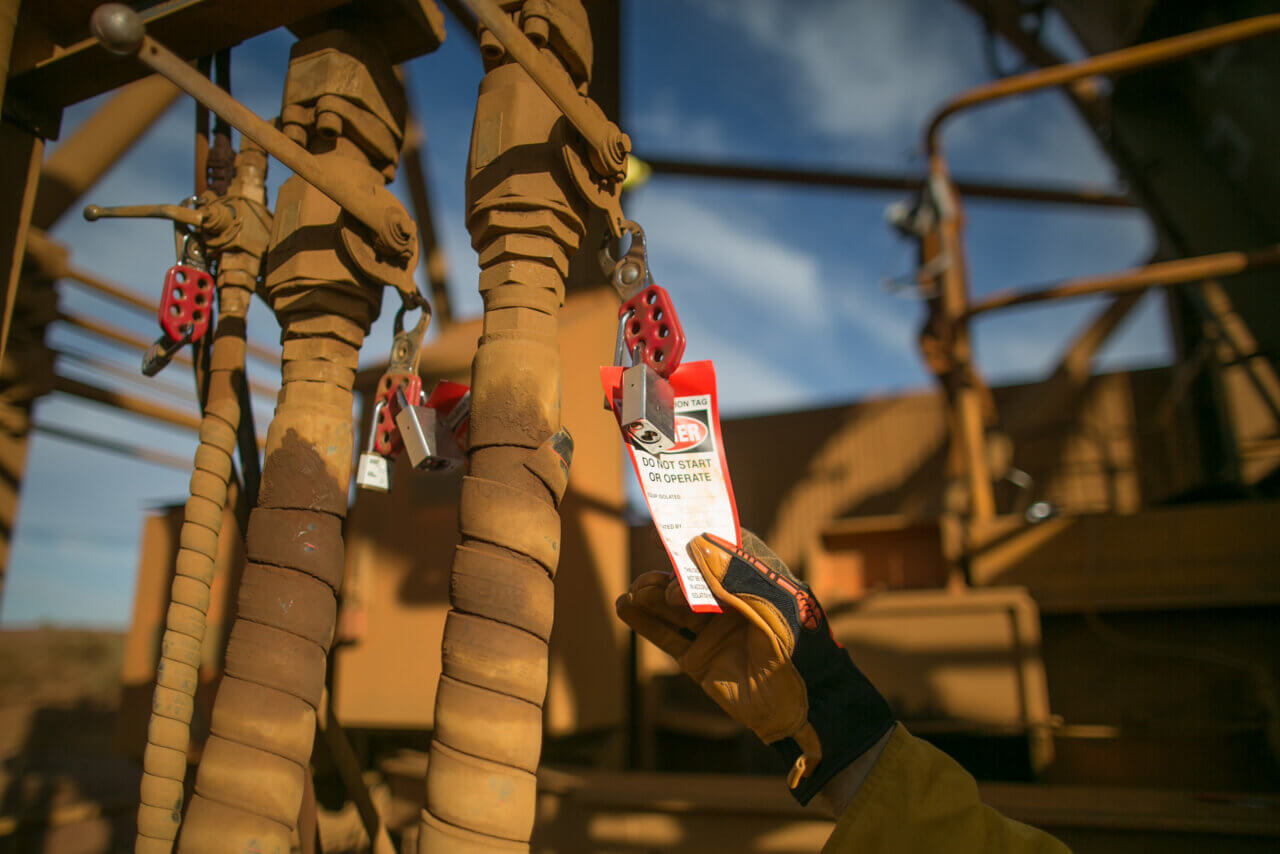
An exclusion zone and the material used to mark it are not the same control. In its guidance on mobile-equipment struck-by risks, WorkSafeBC identifies vehicle-only exclusion zones as a way to eliminate pedestrian-equipment interaction. It separately identifies fencing, protected walkways and proximity systems as engineering controls. A visual line does not acquire the same control strength simply because it surrounds an exclusion zone.
That distinction should remain visible in the line of fire safety plan. Depending on the assessment and applicable requirements, the work may call for isolation, equipment restraint, machine guarding, hard barriers, controlled pedestrian routes, proximity systems or scheduling that removes simultaneous exposure. A visual perimeter cannot stop equipment, restrain a shifting load, contain a falling object or absorb released energy.
Line of Fire Safety Verification Cannot End at Setup
Setup confirms that the control matched one point in time. Field verification tests whether it still matches the work. Examine the full system, not only whether the line remains standing:
- Does the zone still cover every credible exposure path?
- Have the equipment position, load path, energy state or task scope changed?
- Are openings and access points intentional and controlled?
- Can workers use the designated route without entering another exposure?
- Is the boundary intact, conspicuous and understood by affected crews?
- Does the current risk still justify this level of control?
These questions belong in shift handovers, field-level assessments and contractor coordination. Effective line of fire safety depends on detecting drift before an obsolete boundary becomes accepted as normal.
Where a Reusable Boundary Fits
Where a visual boundary is appropriate, material reliability still matters. A line that tears, sags, detaches, becomes difficult to see in poor conditions or is awkward to relocate adds maintenance work and can weaken confidence in the perimeter.
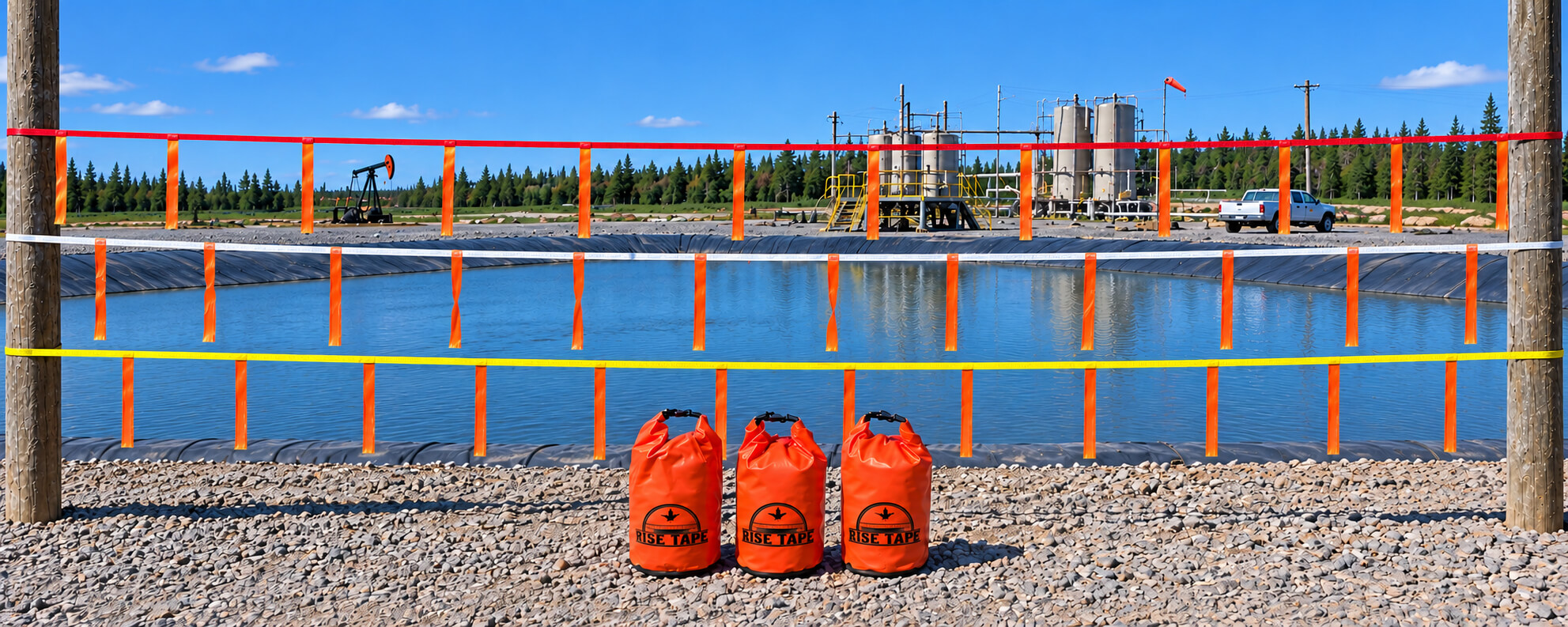
Rise Tape provides a durable and reusable option for hazard identification in changing industrial work areas. It is available with white, yellow and red mainlines so sites can align the line with their established colour system. Our guide to using Rise Tape as a colour-coded barricade system explains the planning required. Its reflective markings and woven mainline help the perimeter remain conspicuous through retrieval and redeployment.
Rise Tape’s high-strength mainline can also serve as a rope guardrail when properly installed and secured between suitable supports, in accordance with site requirements.
Test Line of Fire Safety Controls Against the Work
The strongest line of fire safety review asks whether the control still reflects the work now taking place, not whether it matches the original plan. Test each changing boundary for coverage, meaning, ownership and control strength. Where a visible perimeter is appropriate and must be moved, recovered and reused, Rise Tape Barricade Bags provide a portable system for keeping that boundary clear through changing work fronts.