
Caution tape vs. danger tape usually reflects two hazard levels: caution signals a potential or lesser hazard, while danger signals an immediate hazard that could cause serious harm. A roll’s label or colour is not a universal permission system. Wording, the hazard, employer procedures, training and applicable law determine what the boundary means and whether anyone may cross it.
Caution Tape vs. Danger Tape at a Glance
| Factor | Caution | Danger |
| Signal word | Caution | Danger |
| General hazard level | Potential or non-immediate hazard; lesser threat in OSHA tag terminology | Immediate major hazard threatening death or serious injury in OSHA tag terminology |
| Common U.S. sign convention | Yellow predominates | Red predominates |
| Typical use | Calls attention to a possible hazard or unsafe practice | Calls attention to an immediate, serious hazard and special precautions |
| Does it determine entry? | No. Caution tape does not automatically permit entry; site rules and wording control. | No universal tape rule. Entry is commonly restricted, but the message and site rules control. |
| Important limitation | These OSHA provisions govern particular signs and tags, not every roll of tape. | Colour cannot replace hazard assessment, instructions, training or required controls. |
What Does Caution Tape Mean?
In the caution tape vs. danger tape distinction, OSHA’s U.S. general-industry sign rule uses caution for potential hazards or unsafe practices. OSHA 1926.200 applies the same idea in U.S. construction and makes yellow the predominant caution-sign colour. That helps explain the common yellow caution tape meaning, but it is not a universal code for all tape.
In caution tape vs. danger tape use, a caution boundary may appear around maintenance work, a temporary walking-surface hazard or an unusual operation. It still does not mean “enter if you are careful.” The printed instruction and site access rules remain decisive.
What Does Danger Tape Mean?
Danger communicates the higher level in the caution tape vs. danger tape comparison. OSHA reserves danger signs for immediate danger and danger tags for major hazard situations where an immediate hazard threatens death or serious injury. In U.S. construction signage, red is the predominant colour for the upper panel of a danger sign.
Possible contexts include exposed energy, crushing or struck-by zones, or another immediate serious hazard. Those examples do not assign a tape colour; the responsible employer must apply the rules for the work.

Where Does Warning Tape Fit?
Warning adds a middle term to the caution tape vs. danger tape spectrum: OSHA’s general-industry tag terminology allows it for a level between caution and danger. That provision excludes construction and agriculture and does not define every product sold as warning tape. Warning tape vs. caution tape cannot be answered by colour alone.
Why Colour Alone Is Not Enough
In any caution tape vs. danger tape comparison, colour is only one cue. Check all of the following before treating a boundary as permission, restriction or prohibition:
- the signal word and any specific printed instruction;
- the employer’s procedures and posted site legend;
- worker and contractor training;
- the applicable federal, state, provincial or territorial requirements; and
- the hazard assessment and conditions at that moment.
OSHA provides authoritative terminology for many U.S. workplaces, but its requirements apply within defined industries and contexts. Outside the United States, employers should consult the law for each workplace rather than assume a colour convention from one site or jurisdiction applies everywhere.

What Barricade Tape Can and Cannot Do
Whether labelled caution tape or danger tape, a barricade line can attract attention, identify a perimeter and discourage access. OSHA interpretations describe barricades in several contexts as obstructions that deter passage or warn and limit access. The precise duty still depends on the work and governing standard. Ordinary tape is not automatically a guardrail, fall-protection system or engineered control, and its presence does not eliminate the hazard. See common barricade tape applications for more context on where a visual boundary fits.
When a Durable, Reusable Boundary Makes Sense
The material choice is separate from the caution tape vs. danger tape meaning. Lightweight film works for short tasks, but longer outdoor use can lead to sagging, tearing, fading and repeated replacement. A durable, reusable line may suit recurring maintenance, frequently moved perimeters and sites where recovery matters.
Rise Tape is one reusable alternative for hazard identification in demanding environments. Its UV-resistant, high-visibility design supports repeated deployment and retrieval. Its 2,500 lb tensile-strength mainline may also serve as a rope guardrail where a rope-style barrier is appropriate and the installation meets applicable requirements. The selected colour must still be assigned and explained through the site’s system.
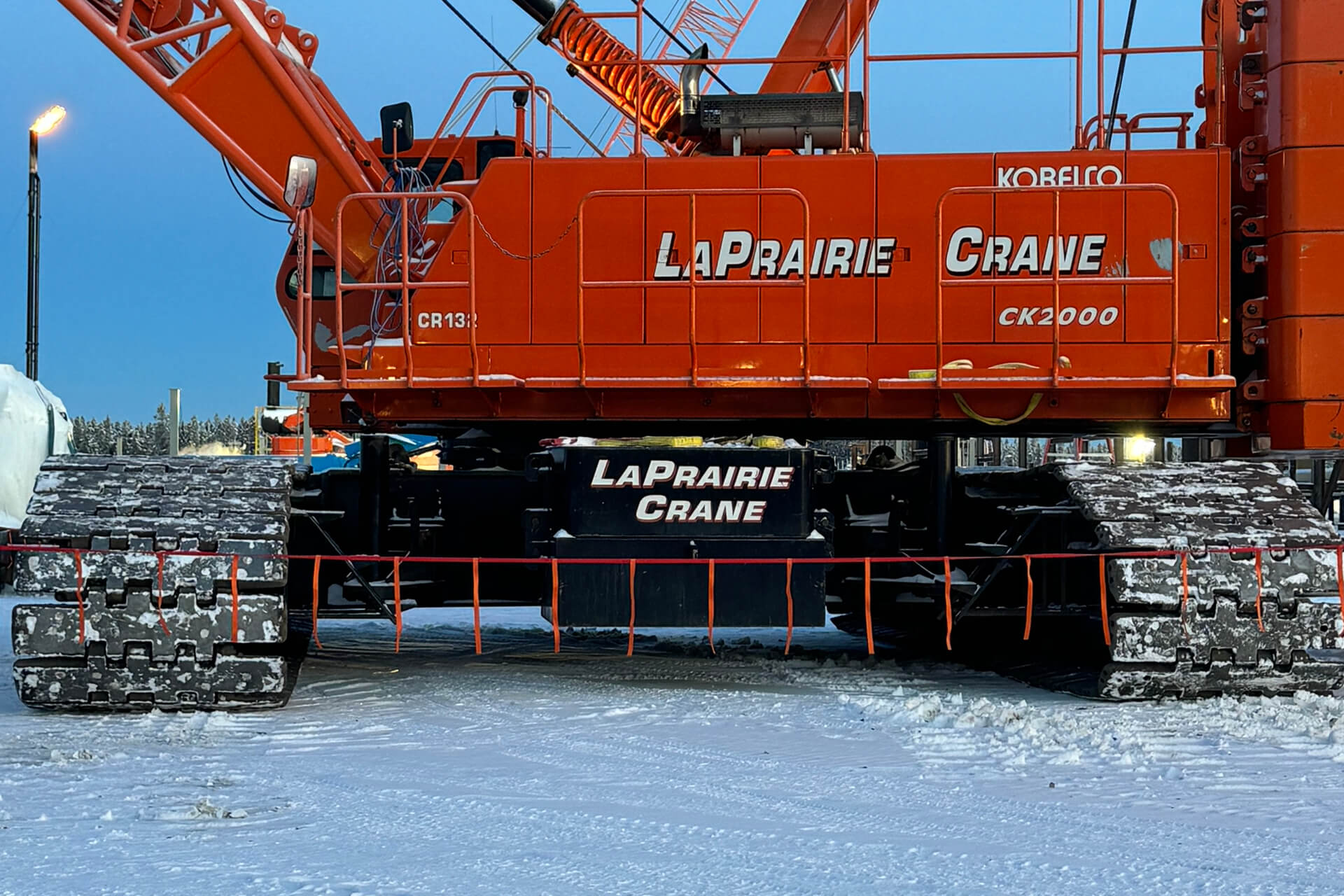
A Reusable Boundary for Demanding Sites
Need a boundary that can be deployed, recovered and reused? Explore Rise Tape Barricade Bags for highly visible hazard marking, then use our guide to building a consistent colour-coded barricade system if your organization needs to standardize meanings, access rules, legends and ownership.