
Shade balls, also known as bird balls and bird deterrent floats, are often deployed around reservoirs and industrial ponds to deter birds or reduce evaporation, but their effectiveness and sustainability are under growing scrutiny. Birds can pose serious challenges in these sensitive locations, making it crucial to evaluate modern deterrents. In this article, we examine how shade balls compare to modern bird deterrents like Rise Tape, considering their effectiveness, environmental impact, and practical use in real-world settings.
What Are Shade Balls / Bird Balls?
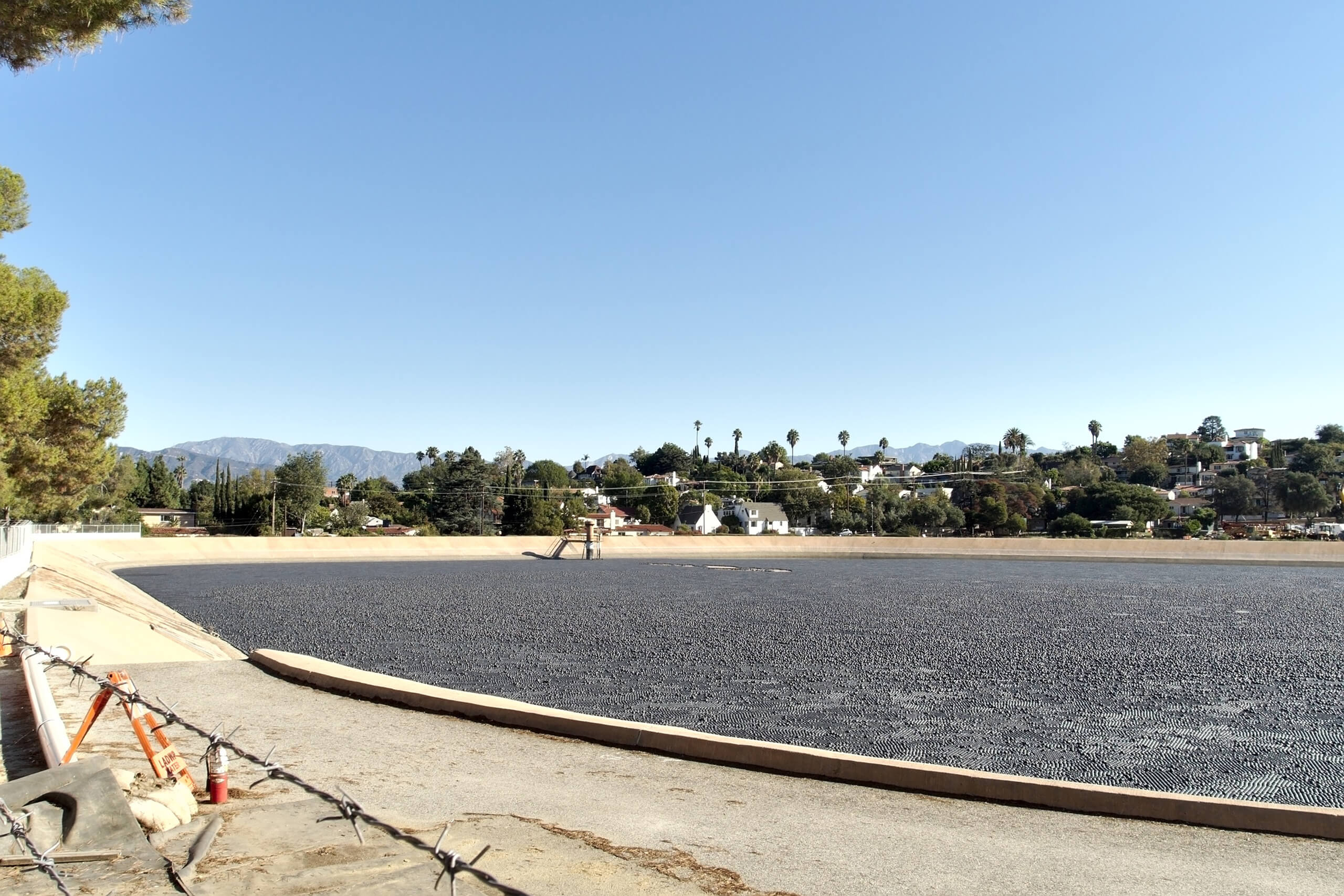
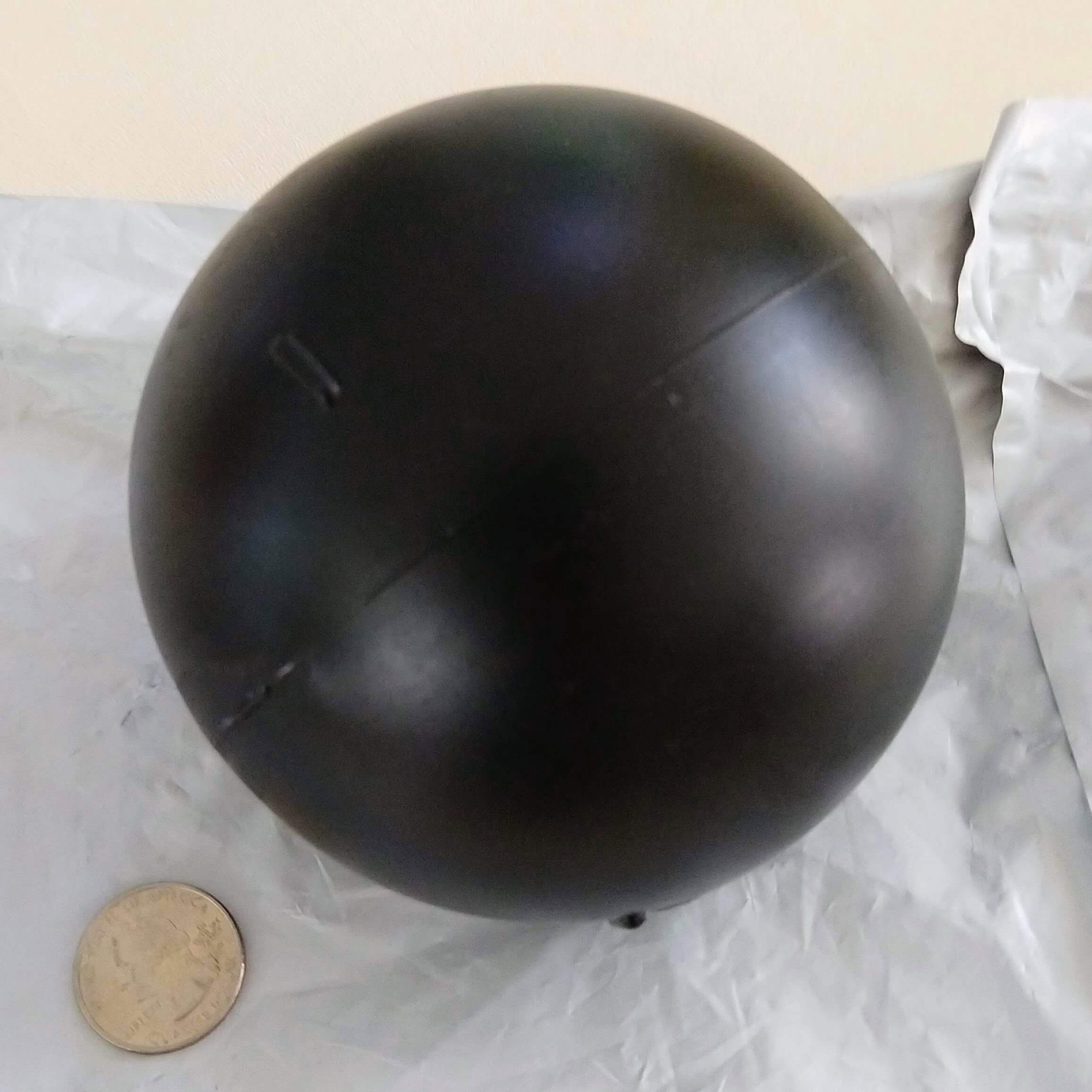
Shade balls are plastic spheres made from high-density polyethylene (HDPE). When deployed, they float on the surface of water bodies, forming a semi-continuous layer. Originally developed to deter birds near airports, their use expanded to water conservation and sunlight-blocking purposes. Los Angeles famously deployed 96 million shade balls in 2015 to reduce evaporation and prevent chemical reactions in drinking water reservoirs.
Limitations of Shade Balls
Note: Shade balls are manufactured by different companies and vary in design quality. The performance and durability of individual products may differ depending on factors such as material composition, wall thickness, and weather resilience.
Physical Coverage Limitations
- Shade balls only cover the surface of water and cannot deter birds from nearby surfaces or structures like docks, piers, or shorelines. In large water bodies, full coverage is rarely feasible, and birds can easily land in surrounding areas left unprotected.
Environmental Concerns
- Microplastics and Chemical Leaching: HDPE can degrade under UV exposure, releasing microplastics and chemicals, particularly carbon black, into the water.
- Water-Intensive Production: Manufacturing the 96 million shade balls used in Los Angeles consumed more water than they saved in their initial deployment period.
- Ecosystem Impact: In ponds or reservoirs that support aquatic life, shade balls may block sunlight needed for submerged vegetation and oxygen regulation, disrupt natural temperature cycles, and interfere with surface access used by amphibians or aquatic insects. These effects can alter the ecological balance and pose risks to sensitive species.
Operational Drawbacks
- Wind Displacement: In shallow or windy locations, shade balls can be pushed aside, exposing water surfaces and reducing deterrent effectiveness.
- Maintenance Challenges: Ensuring full and consistent coverage requires significant upkeep. Degraded or misplaced balls must be replaced or repositioned.
- Difficult to Clean: Debris, algae, or oil can collect on the surface of the balls, making them hard to clean and maintain.
- Block Access to Water: Shade balls interfere with water quality monitoring and general pond access, complicating routine inspections and maintenance tasks.
- Water Level Fluctuations: Varying water levels can create exposed areas around the edges where birds can still land, diminishing the overall effectiveness of the deterrent. In more extreme cases, shade balls may become stranded on dry slopes or pond liners.
- Winter Performance: In freezing climates, shade balls may become encased in ice or covered with snow, reducing their movement and visibility. This diminishes their deterrent value and can create maintenance challenges during thaw cycles or heavy snowfall.
Limited Bird Deterrence
- Despite their original name, shade balls offer only passive deterrence. Birds may still land on or near them, especially on exposed water edges. While the term “bird balls” is still in limited use, the broader shift to calling them “shade balls” suggests their limited effectiveness as a dedicated bird control measure.
For deeper analysis and critique of shade balls, see:
- Shade Balls: Virtue or Vice? – McGill Energy Journal
- The Ecological Costs of Plastics in Water – Discard Studies
- Why Shade Balls Aren’t Such a Great Idea – Grist
- Controversy Over the Use of Shade Covers – ResearchGate
What Is Rise Tape?
Rise Tape is a visual bird deterrent system featuring reflective flags sewn onto a durable mainline. It deters birds through motion and light reflection rather than physical exclusion.
Rise Tape is adaptable to a wide range of settings, including rooftops, industrial ponds, agricultural fields, and utility corridors, and can span up to 250 metres (820 feet) between anchor points. With a breaking strength of 2,500 pounds and resistance to UV, salt, and weather, it’s built to last 5 to 10 years. It can also serve as a hazard marker or safety barrier in exposed environments.

Comparative Analysis: Rise Tape vs. Shade Balls
| Feature | Shade Balls | Rise Tape |
|---|---|---|
| Primary Function | UV protection / evaporation | Visual bird deterrence |
| Bird Deterrent Effectiveness | Low, passive | High, active visual stimulus |
| Environmental Impact | High (plastic, microplastics) | Low (minimal material footprint) |
| Cost & Maintenance | High initial + ongoing | Low install cost + minimal upkeep |
| Versatility | Limited to open water | Flexible: land, water, structures. Multi-purpose |
| Removal Effort | Labour-intensive, especially in water | Simple detachment from anchor points |
Real-World Examples
Port of Seattle: To reduce bird attraction near airport ponds, the Port deployed shade balls. However, they also rely on other bird control systems since shade balls alone are insufficient. The Port also notes that shade balls only work well for smaller ponds that rarely need to be accessed.
Rise Tape Deployments: Rise Tape has shown strong results in deterring birds from industrial and waterfront sites. Its flexible installation allows users to adapt it to a wide variety of habitats without environmental disruption.
Legal and Regulatory Implications
In North America, the Migratory Birds Convention Act (Canada) and Migratory Bird Treaty Act (U.S.) make it illegal to disturb active nests without a permit. Landowners and site managers who fail to use effective deterrents may face steep fines and enforcement actions.
Rise Tape offers a humane and proactive solution that helps users stay compliant by discouraging birds from nesting or roosting in the first place.

Conclusion
Shade balls may still have a place in niche water management applications, but they fall short as a primary bird deterrent. Their environmental costs, maintenance burden, and weak behavioral deterrence limit their overall value.
Rise Tape offers a focused, effective, and eco-conscious alternative. For property managers, municipalities, and industrial operators looking to mitigate bird activity while staying compliant and sustainable, Rise Tape is the clear choice.