
Disturbing active bird nests can trigger fines and enforced stop‑works, and indirect costs often exceed the penalty itself. This article summarizes bird nest disturbance fines and real-world cases in our key markets, then shows how early deployment of effective bird control helps avoid those costs.
Why Early Bird Deterrents Matter
Industrial sites, construction projects, ports, energy facilities, and large commercial properties provide ledges and sheltered cavities where birds initiate nests. In many jurisdictions, laws prohibit disturbing active nests and their eggs; penalties and enforced stop-works are common. For statute references, see the country links below.
- Canada: Migratory Birds Convention Act (MBCA)
- United States: Migratory Bird Treaty Act and 50 CFR Part 21 Migratory Bird Permits.
- United Kingdom: Wildlife and Countryside Act 1981 (c. 69), section 1.
- Australia: State-based protection of native birds, nests and eggs; see NSW Biodiversity Conservation Act 2016, Queensland Nature Conservation Act 1992, and Victoria Wildlife Act 1975.
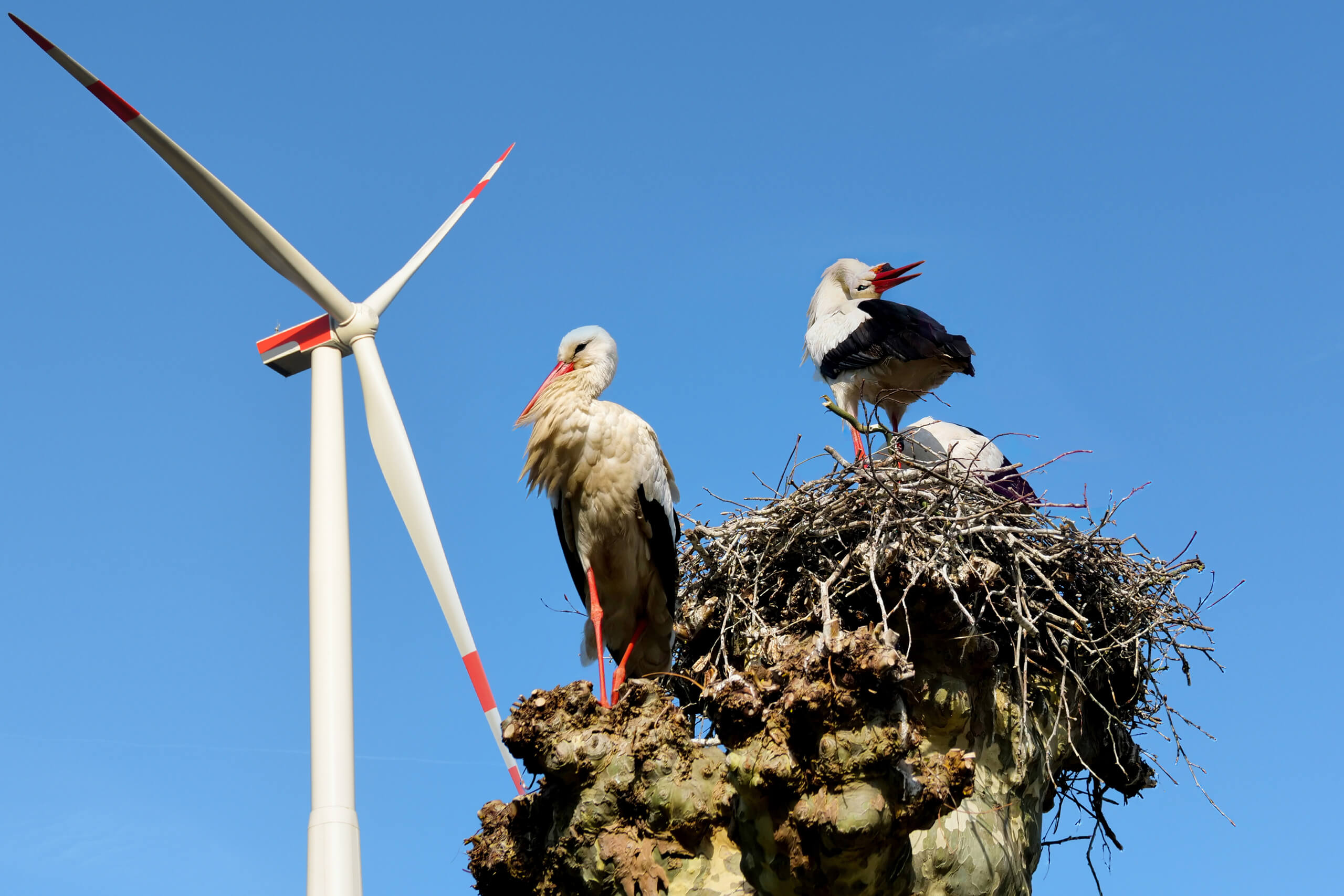
Nest Disturbance Cases
These cases show regulators and courts enforcing nest protections. Dollar amounts vary by case and region, so consider them signals rather than price tags.
Canada
- Longueuil, Quebec – The City of Longueuil was ordered to pay $30,000 for damaging or destroying at least one Bobolink nest after mowing in July 2024.
- Sainte-Anne-des-Monts, Quebec – Les Entreprises Énia Lafontaine was fined $12,500 for destroying bank swallow nests at a sandpit.
- Calgary, Alberta – EllisDon Construction Services Inc. was ordered to pay $100,000 for disturbing migratory bird nests during the West Calgary Ring Road works in June 2019.
United States
- Oklahoma – Wildcat Concrete Services paid $372,750 to the North American Wetlands Conservation Fund after the removal of roughly 1,491 cliff swallow nests during a bridge repair, under a non-prosecution agreement.
Australia
- Queensland (Brisbane development site) – A man was fined $718 after crushing three Masked Lapwing chicks on a vacant lot slated for development; Queensland Parks and Wildlife Service investigated.
United Kingdom
- Cumbria (Westnewton quarry) – Owners fined £3,000 and the manager £375 by Carlisle Magistrates for destroying about 20 Sand Martin nests during quarrying works.
When Projects Get Into Trouble
Most shutdowns happen when deterrents are installed too late. Birds begin nest building, eggs appear, and work must pause until the nest is inactive or a qualified biologist confirms a lawful path forward. Common hot spots include bridge beams and flanges, roof ledges and parapets, conveyors and catwalks, and other sheltered structural members that weren’t screened early.
If this happens, establish a conservative buffer, stop work inside it, notify supervision, document conditions with dated photos, and engage a qualified biologist.
What Nest Disturbance Can Cost
Beyond fines and court‑ordered payments to environmental funds, direct costs can include consultant surveys and mitigation work.
However, indirect costs usually dominate. Expect idle labour, equipment standby, schedule re-sequencing, liquidated damages, reputational harm, and strained client relations.
Calculating Idle Cost
Idle Cost = (crew size × hourly rate × hours per day × days delayed) + (equipment daily cost × days) + overhead.
Deploying Rise Tape For Compliance
What it Is
Rise Tape is an industrial-grade, non‑entangling, visual bird deterrent that uses a tensioned mainline with reflective flags to disrupt approach and perching with unpredictable flashes and motions.
Why it Helps
- Deploy ahead of local nesting window to reduce the chance of active nest initiation on high‑risk structures.
- Non‑contact and reversible, minimizing entanglement and PR risk compared with mid‑season netting.
- Low‑impact on structures and maintenance access when properly installed.
- Suitable for sites where heavy exclusion is impractical or would trigger additional approvals.
- Weather-resistant, low maintenance, with life expectancy of 5 to 10 years.

Summary
The cost of bird nest disturbance shows up as fines and, more significantly, delays and idle crews. The lowest-cost path is to stop nests from starting by deploying effective bird control like Rise Tape before the local nesting window. If a nest appears mid-project, pause, document, and contact a qualified biologist. To learn more about how Rise Tape deters birds, click the button below.