
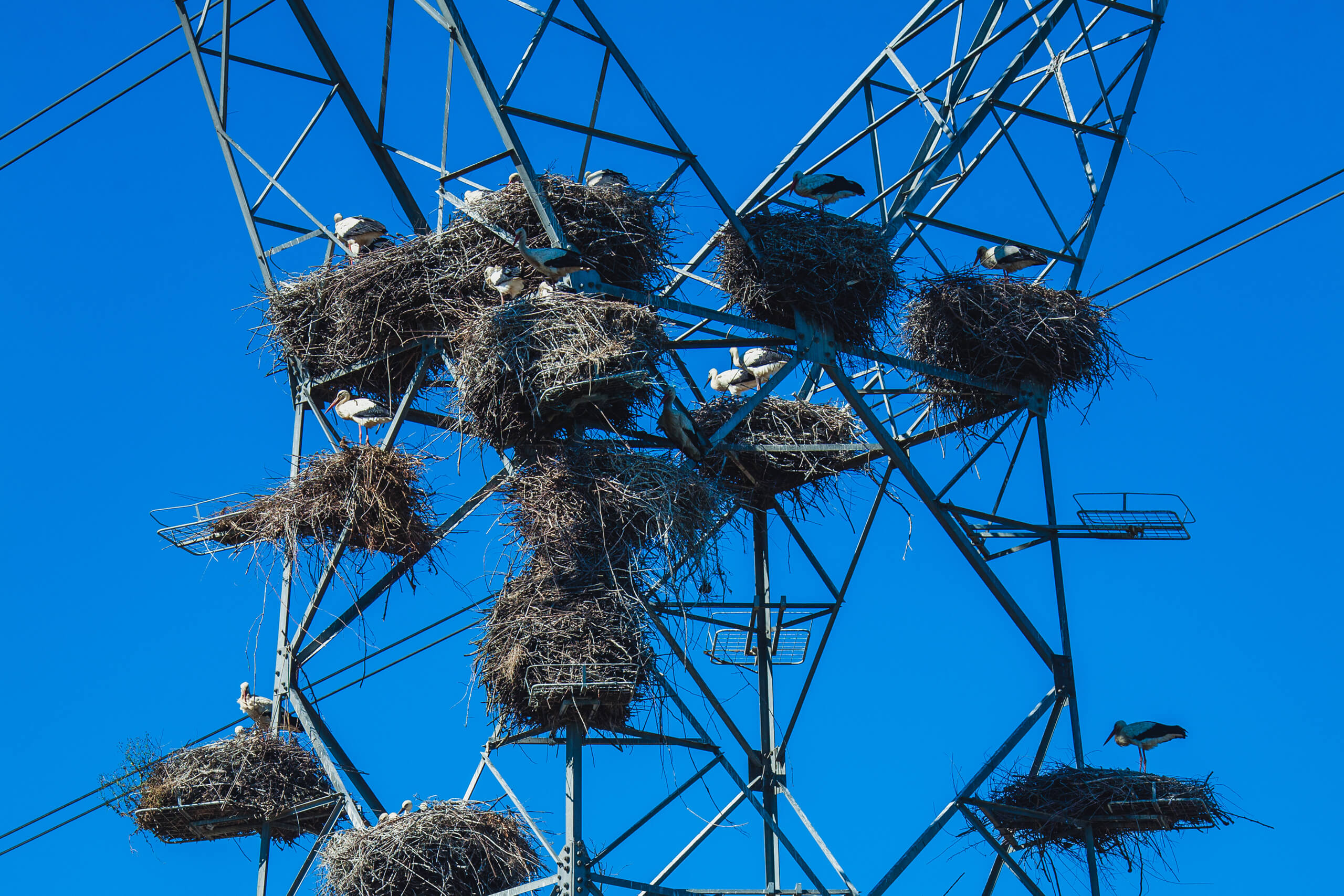
Industrial sites are magnets for nesting birds. Open structures, ledges, and rooftop equipment provide ideal nesting spots. But once birds settle in, the problems start. Nesting birds can cause equipment failures, sanitation issues, shutdowns, and even legal liability. The critical point is that once a nest is active, removing it may be illegal. Early bird nesting prevention is not just smart; it’s necessary.
Nesting Birds Are a Serious Legal Liability
Nesting birds are protected by law in many jurisdictions, including the Migratory Birds Convention Act (Canada), the Migratory Bird Treaty Act (U.S.), and the Wildlife and Countryside Act (UK). Disturbing or destroying an active nest can result in steep fines and site work stoppages. Industrial operators have faced costly delays and reputational damage due to violations. Starting bird deterrents early is often the only legally compliant option once nesting season begins.
Real-world incidents highlight just how serious these violations can be. Several Canadian companies have faced six- and seven-figure fines for disturbing active nests:
- A major oil sands operator was fined $2.75 million after 31 great blue herons died from exposure to bitumen (CBC News).
- Two Ontario construction companies were fined $20,000 for destroying over 100 swallow nests during a housing development (Government of Canada).
- A Quebec excavation firm paid $12,500 for destroying nests of a threatened species during sandpit work (ConstructConnect).
These cases make it clear: failure to plan for bird activity can carry serious legal and financial consequences. Bird nesting prevention is not just ethical — it’s business-critical.
Timing Matters in Bird Nesting Prevention
Birds tend to return to the same nesting sites each year. Nesting season usually begins in early spring in the northern hemisphere, although timelines vary worldwide. Waiting until birds arrive creates avoidable complications. Once nests are established, the ability to respond becomes limited both legally and practically. Bird nesting prevention should begin before any nesting behaviour is observed.
Industrial Sites Are Especially Vulnerable to Bird Nesting
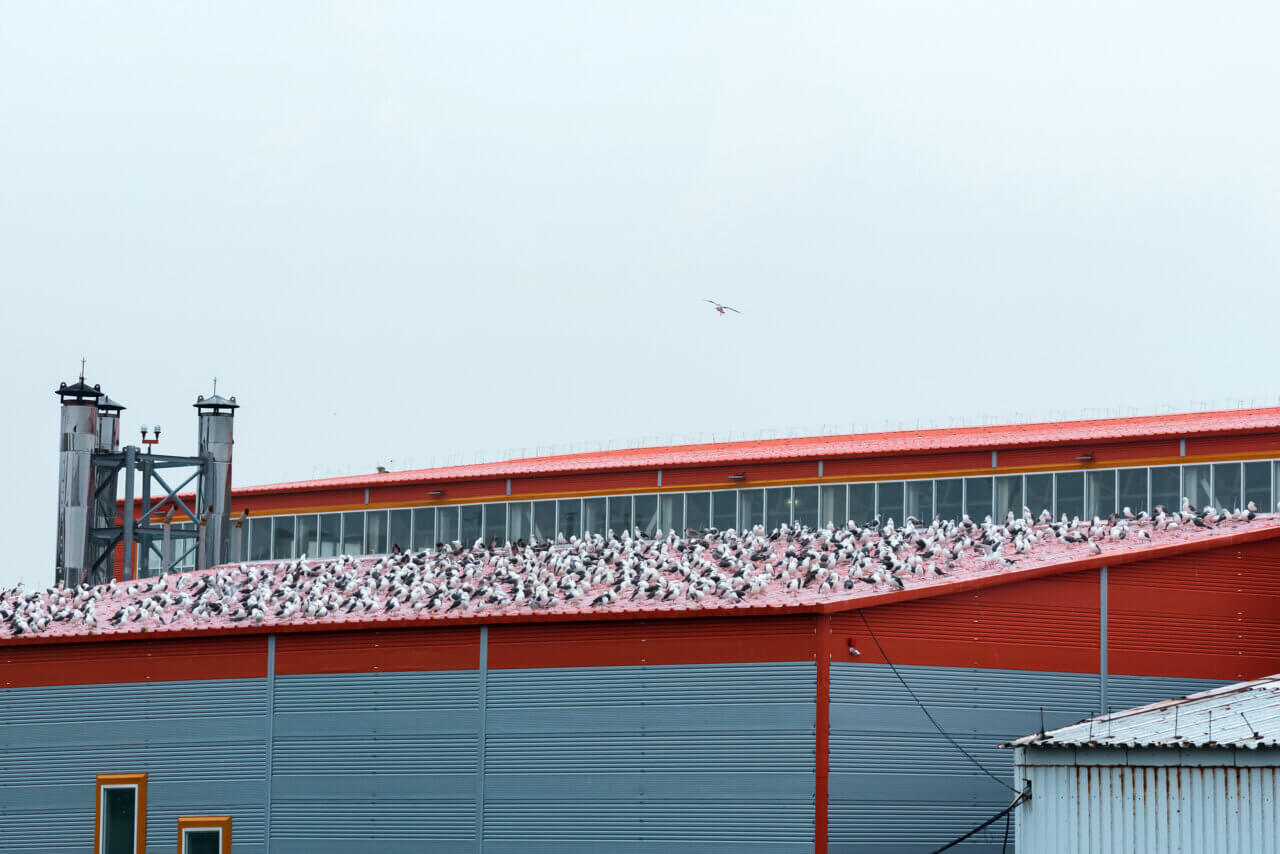
Factories, warehouses, refineries, and processing plants offer prime nesting conditions. Flat rooftops, exposed vents, trusses, lighting systems, and unmonitored signage are all attractive to birds. The consequences can include blocked drainage systems, fire hazards from nests in electrical spaces, contamination risks in food production, and employee complaints. Bird Control for Industrial Sites provides a more detailed overview of these issues.
Common Deterrents (and Why They Usually Fail)
Many industrial sites try traditional tools like bird spikes, sound machines, or netting. These are often ineffective or impractical:
- Sound deterrents are ineffective in loud industrial environments and birds quickly habituate to them, rendering them useless over time. Read why sound-based deterrents don’t work.
- Physical barriers are labour-intensive and frequently unsuitable for industrial equipment or aesthetics.
- Visual deterrents such as fake owls, pinwheels, or generic reflective tape are typically designed for residential use. They often lack durability, are ineffective at scale, and birds tend to habituate to them quickly in complex industrial environments. Read why large-scale deterrents often fail.
Rise Tape: Scalable, Humane, and Legally Compliant
Rise Tape is a visual deterrent that reflects light and moves in the wind, prompting birds to avoid the area. It is:
- Scalable, covering wide areas with minimal installation effort.
- Flexible, fitting a wide range of industrial environments.
- Legally compliant, enabling bird nesting prevention before it starts.
- Humane, repelling birds without harming them.
- Adaptable, effective in diverse climates and against different bird species. Seasonal Bird Control and Humane Bird Control offer more insight into how Rise Tape supports ethical and effective bird deterrence.
Take Action Before Birds Do
If you manage a large-scale industrial site, the time to act is now. Deterring birds before nesting season begins can help you avoid fines, operational delays, and costly cleanups. Rise Tape is a proven, scalable, and legally sound solution for early bird nesting prevention. Don’t wait until it’s too late. Contact us today to learn how Rise Tape can help protect your site before nesting season begins.