
Facilities of all kinds face persistent bird pressure on roofs, ledges, ponds, yards and open spans. Visual repellents change what birds see by adding motion, flash, contrast or predator cues. Results vary by products, species and site, and depend on placement and upkeep. In this article, we go over common visual bird deterrents, their effectiveness and drawbacks.
Visual Methods: Uses, Strengths, Limits
Reflective Tapes and Streamers
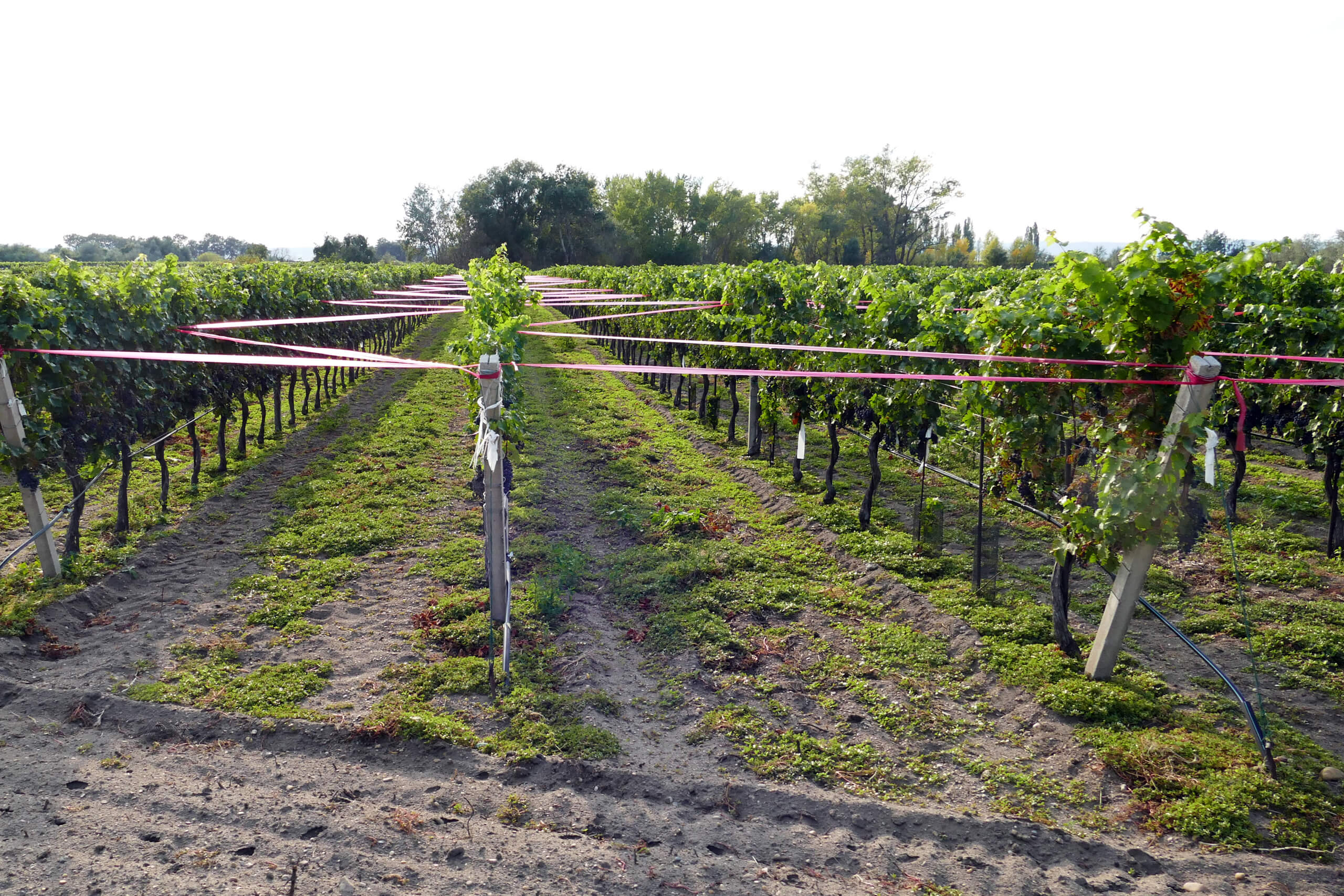
Reflective tapes and streamers create wind‑driven movement and bright flashes that disrupt approach behaviour. They are widely recommended for perimeters, open spans and long linear assets because they are passive, do not need power and are simple to inspect. Limitations include the need for light and some breeze, reduced effect in deep shade, and material risks if low‑grade film tears or detaches and creates litter. Performance declines if spacing or layout fail intercept approach paths. At night, passive reflective lines may still be visible under moonlight or ambient lighting, and can help deter low‑flying approaches.
See our comprehensive review summarizing field trials and government guidance on reflective deterrents.
Predator Balloons and Kites
Eyespot balloons and raptor kites present predator‑like visual cues that can unsettle flocking species at close range, especially when first installed and moved regularly. They are quick to deploy for roof corners and temporary hotspots. The trade‑offs are a small working radius, wind dependence and rapid habituation if devices remain static. Effects are context dependent and improve when positions are rotated.
- Vineyard field trial by Fukuda, Frampton and Hickling showed eye‑spot balloons reduced starling damage in treated blocks.
- Canterbury vineyard trial by Hickling (Lincoln University, 1995) found eye‑spot balloons cut damage by about 55 percent directly beneath compared with 40 m away one week before harvest, with an effective radius of about 20 m in week 1 and habituation within 1 to 2 weeks; recommended use only in the final fortnight alongside other methods.
- Flight‑pen study on boat‑tailed grackles found eyespot balloons increased stand‑off distance versus plain balloons.

Static Predators and Decoys
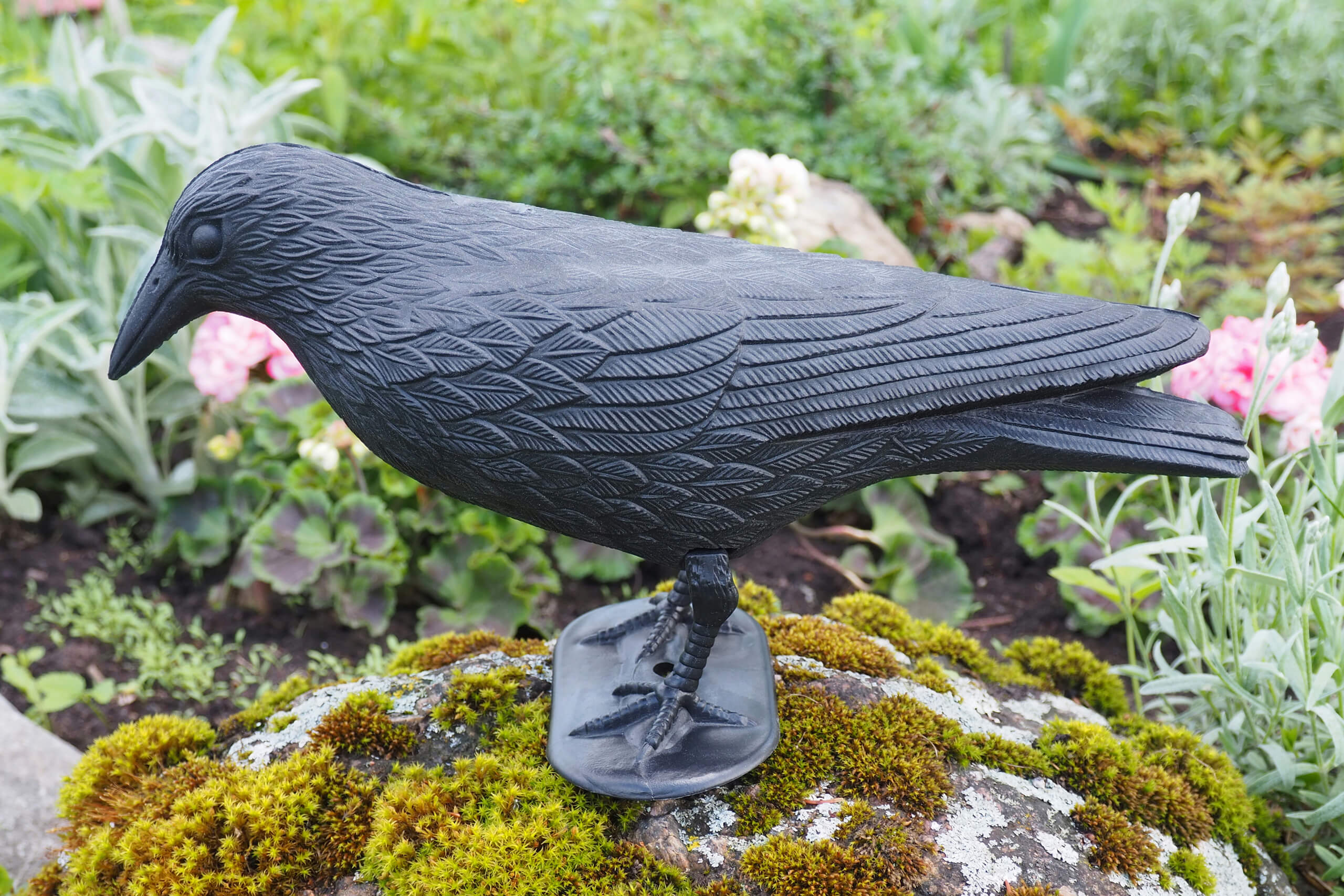
Plastic owls and similar decoys can create a brief perception of risk if they are repositioned often. Agricultural factsheets and wildlife management manuals report widespread habituation, and some corvids may approach or mob static decoys. In practice, these products are unreliable for season‑long use at sites that cannot spare staff time for frequent moves.
- Pilot study at a Nova Scotia wind facility by Dorey, Dickey and Walker found owl models and bioacoustics showed no statistically significant deterrence versus controls.
- Experiments by Conover (1979) reported initial reductions at feeders and blueberries, species‑specific responses, habituation within hours, and about 40 percent week‑long effects for kite‑hawks with wind; models did not provide total protection.
Lasers and Light‑Based Tools
Low to moderate power agricultural lasers can strongly disperse certain species at dusk, night and dawn when contrast is high. Results are inconsistent in daylight when diurnal species are most active. Sites must plan for trained operators, line‑of‑sight controls and a laser safety programme in Canada that addresses class, access and compliance with airspace restrictions, particularly near aerodromes and other air operations.
- Low‑light field trials by Blackwell, Bernhardt and Dolbeer showed strong avoidance by Canada geese and mixed results for passerines; habituation can occur.
- Motion‑activated laser hazing experiment by the USDA National Wildlife Research Center with captive geese reduced plot occupancy during operation; effects declined after shutdown.
Why Visual Bird Deterrents Work, Then Fade
Birds have two kinds of eye cells: cones for daylight colour and detail, and rods for dim-light motion and shapes. Blackwell at the USDA National Wildlife Research Center notes avian retinas are duplex, with cones dominant in most day-active species but rods still present. This means birds can still notice movement and flashes under moonlight or ambient lighting.
Novel, moving cues are treated as potential threats, so changing layouts and intermittent flashes can interrupt approach and landing. Effects are strongest early, and decline as birds habituate due to patterns become predictable or materials degrade.
How Rise Tape Addresses Common Shortcomings
Rise Tape is a purpose‑built, industrial‑grade visual bird control system: a tensioned mainline with reflective flags that deter birds with light and motion. Here is how Rise Tape addresses common shortcomings of visual deterrents.
- Ease of installation: No need to manually tie ribbons to the mainline.
- Durability and waste: UV and weather‑resistant flags are securely attached to the mainline to reduce fading and detachment.
- Low risk: Passive, power not required, no contact, humane.
- Coverage: Can be suspended and span a long distance over uneven terrain or water.

Summary
Visual bird deterrents work because birds prioritize motion, contrast and sudden flashes when assessing risk. The challenge is that results vary by product and many lose impact as patterns become predictable or materials fatigue. Rise Tape is designed to address those limits with unpredictable light flashes and wind‑driven movement along a tensioned mainline, producing changing cues that intercept approach paths and resist habituation. It delivers consistent visual pressure without power or noise, which makes it a practical, humane choice for sites that need ongoing control.