
Visual bird repellents are a common tool on industrial sites, but in the field some barely change bird behaviour while others quickly reshape how birds use a pond, landfill or field. In this article, we look at what actually makes visual bird deterrents effective: how birds see, how layout and motion make a system stand out in their world, what field studies have found, and where span systems like Rise Tape fit in.
How Birds See The World
A deterrent that looks bold to us might blend into visual clutter for a bird, depending on light, background and viewing angle. Research highlights three points:
- Most birds have four types of colour-sensing cells in their eyes, while humans only have three. That extra “channel” lets them see some colours and fine differences that we cannot, especially in daylight.
- Many birds can see near‑ultraviolet light (320–400 nm), which is invisible to us, and they use it when they feed and choose mates. This mostly matters for deterrents if materials reflect UV, because birds may see extra brightness or flash that people do not, but layout, brightness contrast and motion still do most of the work.
- Birds pick things out more easily when they stand out from the background. In tests with free‑flying crows looking for artificial fruits, birds spotted fruits from farther away when the fruit colour was very different from the leaves, and they switched between using colour and light–dark differences depending on the background.

What Makes Visual Bird Deterrents Effective
When people say a deterrent pops, they mean their eye goes straight to it. For bird control, you want a bit more than that:
- Birds notice it early, while they are still deciding where to land or feed.
- It feels unpredictable or uncomfortable enough that they choose a different path.
- It keeps having that effect after the first few days, instead of becoming invisible noise.
In practice, three things do most of the work: coverage and geometry, contrast, and motion.
Coverage And Geometry
Field work shows that any single scare device only affects birds within a limited distance around it. In practical terms, so you need enough coverage to overlap the main flight paths. For water bodies, having deterrents only along the perimeter is not enough.
Contrast Against Real Backgrounds
Whether a deterrent stands out depends on what is behind it. Silver tape that looks bright in your hand can almost disappear against glittering water, a black hawk silhouette can blend into dark trees at dusk, and light‑coloured gear can get lost against snow or foam. The system really pops when it looks noisy and out of place against the backgrounds on site, across seasons, weather and light conditions.
Motion, Flash And Novelty
Moving, noisy deterrents grab attention much better than things that just sit still. A major review of crop protection tools notes that reflective tapes work because they twist in the wind, throw off sudden flashes and make a bit of rustling sound, which makes them far more noticeable than fixed reflectors. Predator‑shaped kites and scare‑eye balloons add a clear “predator overhead” message on top of that, but animals quickly habituate. To keep a deterrent popping, you either need built‑in variability, like constant motion and flash, or occasional changes in layout and timing, not a single static object left in one place.

Why Some Deterrents Fizzle Out
In practice, many visually bold products fade because birds quickly get used to static, harmless objects, because each device only influences a limited area so wide spacing leaves flight paths open, and because poor height or colour choice lets gear blend into the background.
Design Principles That Make A Deterrent Stand Out
The research on bird vision and field trials all point the same way:
- Effective deterrents cut across the routes birds actually fly, so spans should form a loose “curtain” across the areas birds actually use, not just a single line around the perimeter.
- They build in motion and a bit of unpredictability, using flags or ribbons that twist, flutter and flash rather than static shapes.
- They stay visible against real backgrounds and weather, using materials that still show up in bright sun, low sun and over water, rock or snow.
- They are robust enough to hold their shape and tension over time, and tensioning and repairs are treated as normal site maintenance rather than an afterthought.
Where Span Systems Like Rise Tape Fit
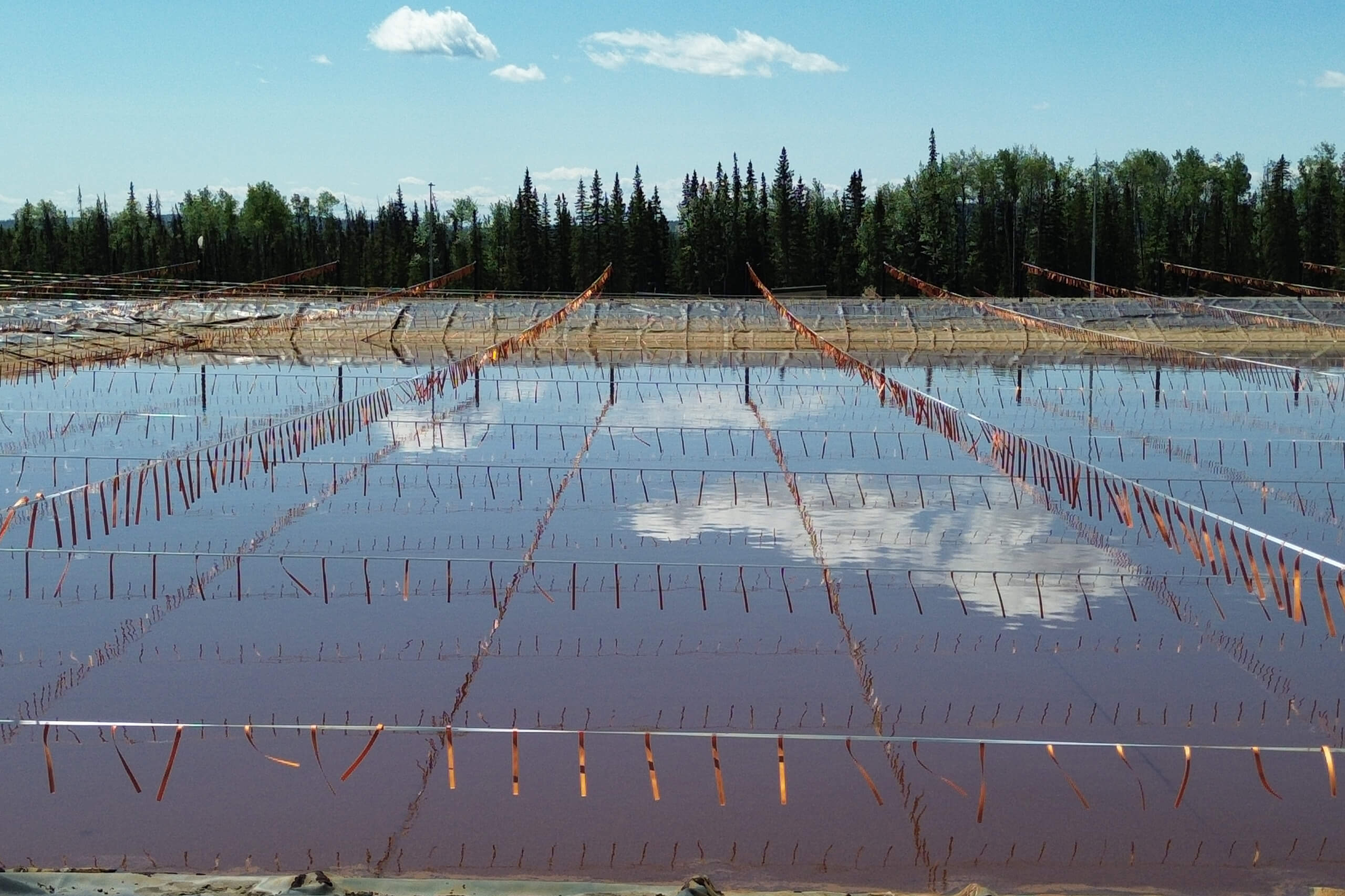
Rise Tape is one example of a span‑based visual system built around these principles:
- Uses a tensioned mainline with factory‑attached reflective flags, so spacing is consistent and spans can cover water and uneven ground.
- Creates a moving, high‑contrast curtain that birds have to fly through, rather than a few static scare devices on the perimeter.
- Combines bright film with retroreflective striping chosen for industrial sites, so it stays visible in a range of light and background conditions.
- Is specified for multi‑year outdoor use, with detailed materials and performance data in the spec sheet at the bottom of this page.
What Field Studies Tell Us
A few simple field trials with reflective tape show that repeated spans over an area can materially reduce bird pressure:
- In sorghum and sunflower fields, reflective tape suspended in repeated lines above the crop led to far fewer bird visits and much less damage than in untreated control plots.
- In winter wheat, red fluorescent tape spans reduced goose damage from roughly 6% on control areas to about 1% where tape was installed.
Together, these results support the idea that span‑based reflective systems like Rise Tape can deliver real reductions in bird use when they are repeated across an area with appropriate spacing.
Summary
For visual bird deterrents to be effective, they have to match how birds see and behave: they stand out against real backgrounds, cut across flight paths, keep moving and flashing, and hold their shape over time. Span‑based systems like Rise Tape are built around those ideas, so when you pair them with a sensible layout, you get less bird pressure where it matters instead of a system that only looks good on paper.