
Birds are a vital part of our ecosystems, but in urban, industrial, and agricultural settings, some bird populations can create serious challenges. In some cases, bird deterrents are used not just to prevent property damage or health hazards, but also to protect birds themselves. This includes keeping them away from unsafe nesting sites, toxic environments, or areas with frequent vehicle or machinery traffic. While physical and visual deterrents are common, chemical-based methods can help reduce bird numbers over time.
This article explains the main types of chemical bird control, outlining how they work, when to use them, and what science and regulations say about their safety.
Birth Control for Birds: A Humane Long-Term Strategy
How it works: Nicarbazin is a compound that prevents bird eggs from hatching by disrupting embryo development. Birds still lay eggs, but hatch rates drop significantly.
Where it’s used: Airports, cities, parks, and landfills. These are places where lethal control is not allowed or where physical barriers do not work.
Effectiveness: According to Health Canada, long-term field studies have shown pigeon populations can decline by 53% within the first year of treatment.
Limitations: Daily baiting is required during the breeding season. While effective over time, introducing a food source can initially attract more birds to the area and may cause a temporary increase in population before the long-term effects of reduced hatch rates take hold. As a result, this method is not suitable for short-term control.
Safety: Nicarbazin is approved in the U.S. and Canada for use in bird control. Health Canada and the U.S. EPA consider it low-risk to humans, other animals, and the environment when used correctly.
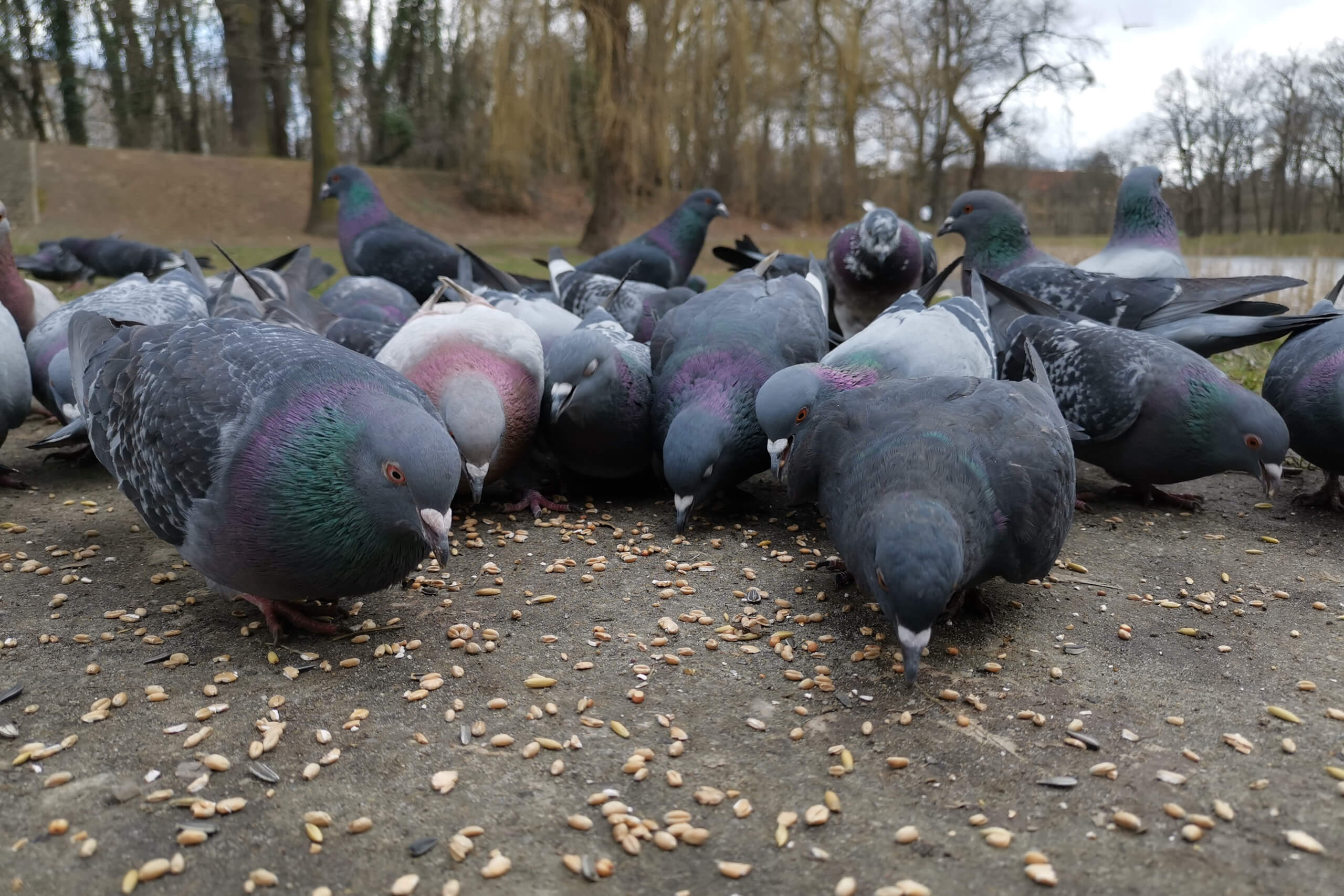
Sensory Repellents: Making Places Unpleasant for Birds
How it works: Methyl anthranilate is a food-grade grape scent that triggers pain through the birds’ trigeminal nerve when inhaled or tasted. This irritation is not harmful in the long term, but it causes discomfort that birds associate with the treated area, prompting them to leave.
Where it’s used: Lawns, turf, rooftops, crops, and water bodies. It is especially used to deter geese, gulls, and starlings.
Effectiveness: When applied consistently, it can reduce bird presence and crop damage, especially when combined with other deterrents. However, its effectiveness declines after rain or over time and therefore requires reapplication (USDA.gov).
Safety: It is non-toxic to people, pets, and other wildlife. Methyl anthranilate is registered for bird control in both the U.S. and Canada.
Tactile Repellents: Sticky Surfaces Birds Avoid
How they work: Polybutene-based gels are applied to ledges and signs. Birds find the sticky texture unpleasant and learn to avoid those surfaces.
Effectiveness: These gels are effective when applied cleanly and maintained. Dust, debris, or heat can reduce their tackiness.
Limitations: They are not suitable for food handling areas or very hot climates. Gels must be cleaned and reapplied periodically.
Safety: Gels are non-toxic, but care should be taken to avoid excessive application where small birds might come into contact as birds may become temporarily entrapped due to sticky feathers. EPA documents support safe use on urban structures.
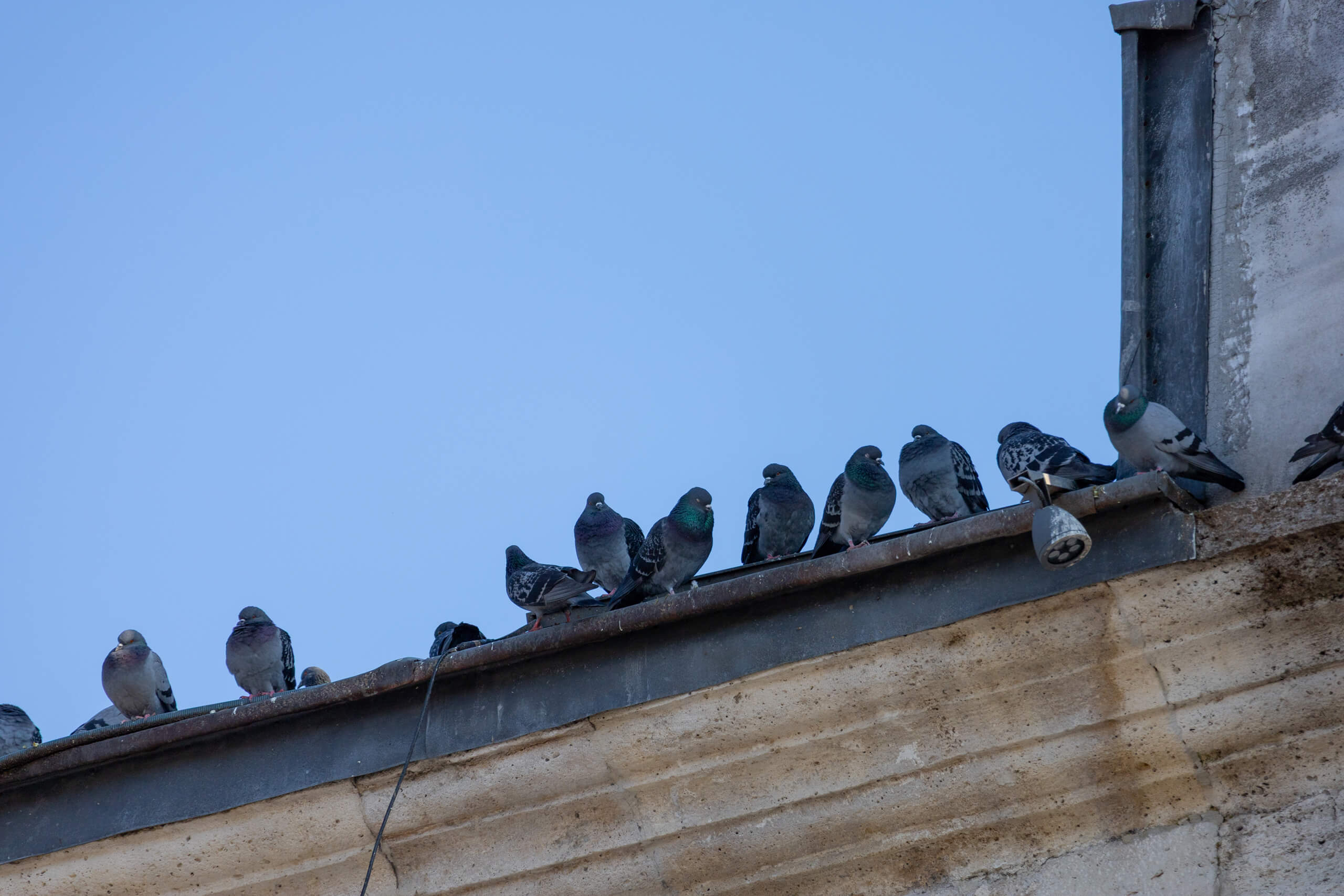
Lethal Agents: Regulated and Controversial
What they are: Some chemical agents are used to lethally control specific bird species. These are tightly regulated and used only by certified professionals. In many cases, bird control is required to protect avian wildlife, from hazardous or toxic environments, making these lethal agents not just inhumane but unsuitable for most applications.
Examples:
- DRC-1339 (Starlicide): Causes irreversible kidney and heart damage in sensitive birds, resulting in death within one to three days. It acts slowly and discreetly, reducing flock alarm. It is highly toxic to target birds but low risk to other wildlife when used correctly (APHIS USDA).
- 4-Aminopyridine: A fast-acting neurotoxin that causes distress behaviours in birds, such as convulsions and erratic flight, triggering panic in flocks. It is controversial due to its visible effects, and risks to non-target animals and children. Birds that ingest a sufficient dose of 4-aminopyridine typically die shortly afterward due to respiratory failure or cardiac arrest.
Restrictions: These products are restricted use pesticides and are banned or heavily limited in many jurisdictions due to ethical and environmental concerns.
Which Chemical-Based Bird Control Works Best?
There is no one-size-fits-all solution. The right method depends on species, location, regulations, and sensitivity of the site.
Summary:
- Use bird birth control for long-term pigeon reduction.
- Use sensory repellents for temporary goose or gull deterrence.
- Use tactile repellents on architectural surfaces.
- Avoid lethal methods unless absolutely necessary and legally permitted.
An integrated bird management plan that combines multiple methods is usually most effective.
Environmental & Ecological Considerations
Chemical controls can affect more than just the target birds. Even low-risk compounds like methyl anthranilate, while non-toxic, act as feeding deterrents and may unintentionally discourage birds from accessing essential food sources if applied too heavily or in ecologically sensitive areas. Lethal methods may pose secondary risks to scavengers or cause ecological disruption.
Reducing bird populations, whether through contraceptives or lethal methods, can disrupt their ecological roles, such as seed dispersal or insect control. Choose methods carefully and only when truly necessary.
Rise Tape: A Non-Chemical Alternative
If you want a chemical-free, low-maintenance deterrent, Rise Tape is a great option. It is made of reflective flags that move in the wind and reflects light in random patterns, startling birds and discouraging them from landing.
Where it works: Ponds, farms, solar panels, warehouses, docks, and any other place where birds are a problem and chemicals are not ideal. Thanks to Rise Tape’s durability, it is also great for repelling birds from remote, unmanned sites.
Why use it: It is safe, easy to install, does not harm birds or the environment, and does not interfere with equipment or people. Rise Tape also works well as part of an integrated bird control plan.
Final Thoughts
Chemical methods can be part of a smart bird control strategy, but they should be used with care. Always follow the rules, minimize risk to other wildlife, and consider non-lethal options first. Visual bird control solutions like Rise Tape are effective, humane, nearly maintenance free and often sufficient to prevent problems, particularly in sensitive areas.