
Outdoor bird deterrents operate in tough conditions. Sunlight, wind, moisture, and temperature swings chip away at materials in slow, predictable ways. That is why tapes and films dull, netting loses strength, hardware spots with rust, housings yellow, adhesives let go, and plastics turn brittle. This guide explains the four main forces that drive outdoor aging, what you will notice first in the field, and how Rise Tape is built to handle weathering.
Why These Four Forces Matter
Four forces drive most outdoor aging: UV from sunlight, wind‑driven flexing, moisture (often saline), and daily temperature swings. UV breaks polymer bonds; wind concentrates stress at edges and holes; moisture promotes chemical change and, with salts, creates an electrolyte that speeds corrosion; thermal cycling expands and contracts parts, encouraging creep and loosening attachments.
UV (Ultraviolet Radiation) Damage
Most bird deterrents use a familiar set of materials: thin films (PET or PVC) for reflective ribbons or tape; polyester or nylon lines; ABS or polycarbonate housings for acoustic devices; UV‑stabilized HDPE or PP netting; shock tracks in PVC or TPU with metal rails such as copper or stainless; plus adhesives, sealants, and elastomer gaskets.
PET (polyethylene terephthalate, reflective ribbons/tape): UV drives photo‑oxidation and, with heat and moisture, some hydrolysis. Expect reduced gloss, more haze, and gradual embrittlement over time.
PVC film or track jackets: UV triggers dehydrochlorination, causing yellowing, chalking, and embrittlement unless strongly stabilized. Stabilizer loading and pigment package matter. Heat and sun can also drive plasticizer loss.
TPU jackets (thermoplastic polyurethane): UV response depends on chemistry. Aromatic TPU can yellow and lose toughness unless stabilized; aliphatic TPU resists yellowing better. Stabilizers help; inspect high‑sun sites.
Metallized layer (aluminium on film): Aluminium naturally forms an oxide that dulls reflectance; abrasion speeds the loss. A protective top layer helps preserve shine over time.
Polycarbonate and ABS housings (acoustic devices): Unstabilized grades can yellow and embrittle; opaque, UV‑stabilized grades hold appearance and impact longer.
HDPE/PP netting: UV‑stabilized grades can retain strength for years; unstabilized yarns gradually chalk and weaken with multi‑season exposure.
Elastomer gaskets and adhesives: UV can harden or chalk some rubbers and adhesives; silicone generally resists UV better than many urethanes. Keep seals shaded where possible.

Wind Fatigue, Slack, and Edge Wear
Wind and vibration act on all deterrents. Mechanical fatigue is the trade‑off.
Edges and joints: Repeated movement concentrates stress at edges, holes, and fasteners.
Design details that reduce stress: Round edges, avoid sharp fasteners, use proper washers and thread-locker where permitted, and do not over‑tension lines or tracks. Edge reinforcement and slight slack extend life.
Notches: These features are stress concentrators where cracks start.
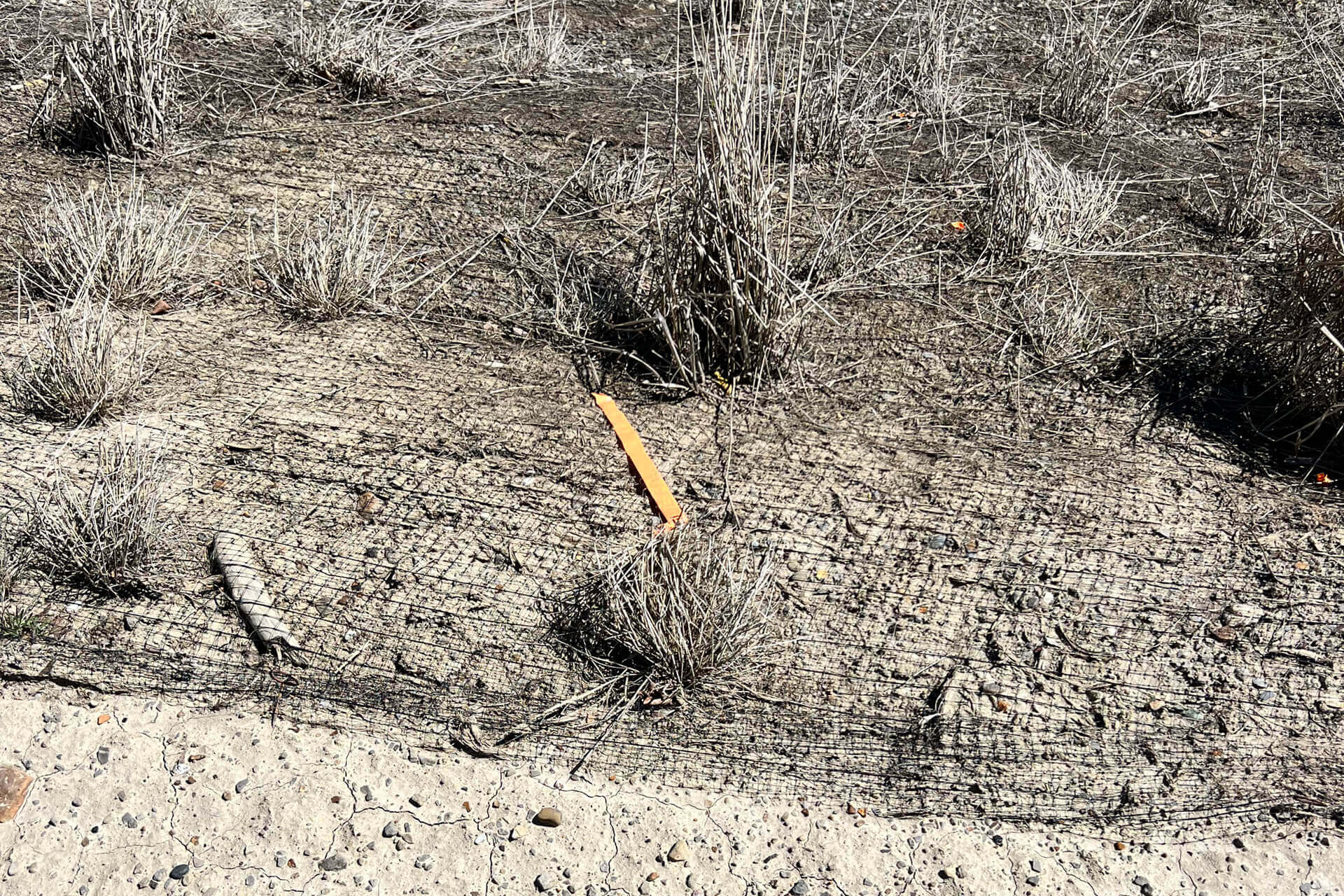
Moisture, Salt, and Corrosion on Hardware
Moisture is the driver outdoors. When salts are present (coastal sites, tailings ponds, winter road‑salt), deposits attract water and create a thin electrolyte that speeds corrosion and fouling.
Metals and hardware: Stainless steel is preferred, but grades differ. 316 stainless steel resists localized pitting better than 304 in saline atmospheres, though no stainless is truly corrosion‑proof.
Seals, adhesives, and interfaces: Moisture finds seams and interfaces. Gaskets harden, sealants chalk, and damp, dusty substrates weaken adhesive bonds unless cleaned and primed.
Electronics and conductors: In acoustic devices, water ingress and connector corrosion are common failure modes. On electric shock tracks, in humid, salty conditions, salt films can bridge rails and cause leakage.
Fibres and lines: Netting and lines can trap algae, dust, and bird droppings, which hold water against the material and hardware.

Thermal Cycling and Creep
Temperature swings affect every deterrent. Parts expand by day and contract at night. Under steady load, warm conditions introduce creep, the small but permanent stretch under steady stress. Together, cycling and creep loosen knots and fasteners, elongate holes, and increase fray. Leave a little slack, reinforce holes, and avoid razor‑sharp bends around hardware.
Metals and fasteners: Differential expansion can loosen screws, clamps, and crimps.
Lines, films, and tracks. Heat softens PVC or TPU jackets (the outer plastic sheath on shock tracks and cables) and adhesives; cold stiffens them and stresses crimps.
Housings and seals. ABS and polycarbonate housings move against gaskets; seals harden in heat and age in UV.
Power systems. Batteries lose capacity in cold and age faster in heat; expect shorter runtime in winter and shorter life in hot sites.
How Rise Tape Handles Weathering
Rise Tape is built for harsh weather through simple, robust materials and construction. The load‑bearing mainline uses polyester and nylon, fibres chosen for stable outdoor performance. Each reflective flag is stitched to the line rather than loosely tied, which reduces edge fray and knot failure. The system is designed for UV, salt, wind, and rain exposure, and it can span long distances between anchors, including over water. Fewer rigid brackets and fewer connection points mean fewer places for corrosion and fatigue to start, so performance lasts longer.

Make It Last Longer
Leave a little slack in the mainline so it can move rather than sawing at a single point. Use rounded, smooth anchor points to avoid sharp edges that cut into the line. In coastal or dusty sites, rinse with fresh water periodically to remove salt and grit. Inspect seasonally and adjust as needed.
Summary
Outdoor failures follow a predictable path: UV dulls and embrittles plastics, wind concentrates stress at edges, salt‑laden moisture accelerates corrosion and weakens seals, and daily temperature swings with steady loads add creep that loosens attachments. Rise Tape addresses these forces with a weather-resistant polyester and nylon mainline, stitched reflective flags, and long‑span layouts that reduce hardware and connection points, delivering multi‑year service with light seasonal checks.