
Deterring birds in challenging environments, such as industrial rooftops, remote agricultural operations, or coastal infrastructure, is no small feat. Many bird deterrents work in mild conditions but quickly fail when exposed to wind, snow, UV radiation, or salt air. This article breaks down how extreme weather undermines common bird control systems, why most deterrents fall short, and what solution has proven to be weather-resistant.
How Weather Undermines Bird Control
Harsh environmental conditions don’t just affect structures. They also wreak havoc on bird control measures:
- Wind rips lightweight or poorly anchored devices off surfaces.
- UV radiation breaks down most materials over time, including plastics, adhesives, fabrics, and coatings, unless specifically engineered to be UV-resistant.
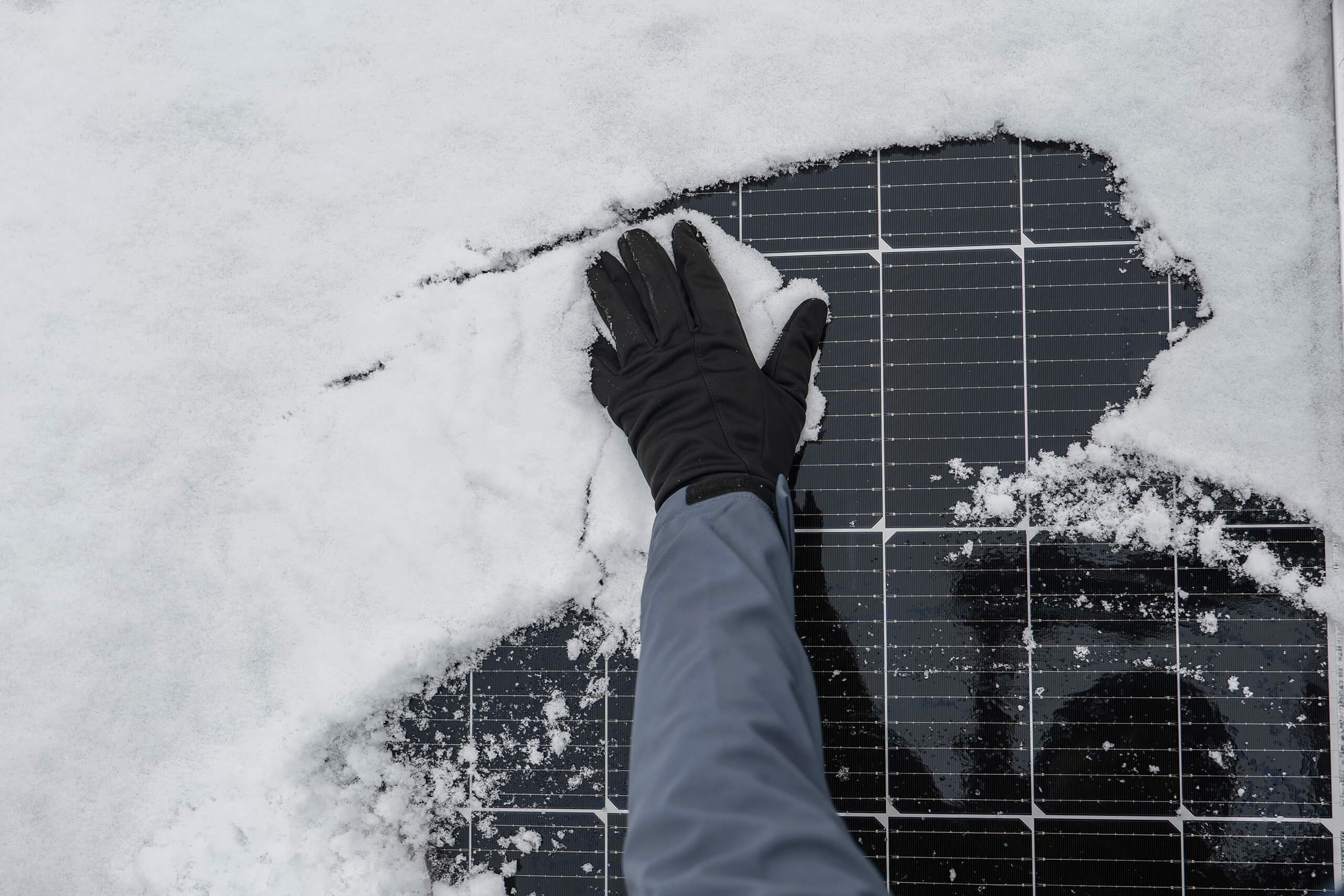
- Rain, snow, and ice can jam motorized decoys, freeze rotating parts like flapping owls or pinwheels, corrode mounts, reduce the efficiency of solar-powered deterrents, and add weight that strains or collapses lightweight systems. These issues are especially problematic for devices that rely on movement or electronics to remain effective.
- Temperature swings cause cracking and reduce material flexibility.
- Salt air accelerates corrosion of metal fixtures and coatings. In oil sands and mining operations, tailings ponds are often saline, and coastal operations face constant salt spray exposure. Both environments increase corrosion risk and require materials that can withstand chemically aggressive conditions.
Even well-reviewed deterrents may struggle to survive more than a season in these environments. For more information, read our article on the factors that affect bird deterrent durability.
What’s Commonly Used and Why It Often Fails
Bird Spikes
Bird spikes are available in both plastic and stainless steel versions. Plastic spikes are cheaper, but they become brittle under UV exposure and often fail under snow load. Stainless steel spikes are more durable and corrosion-resistant, but they are not completely rust-proof. In snowy or icy environments, both types can become buried and rendered ineffective until cleared. Even metal spikes can loosen over time, especially if installed with low-grade adhesives or exposed to repeated freeze-thaw cycles.
Ultrasonic Devices
Ultrasonic bird repellents are scientifically unsupported. Most birds can’t hear ultrasonic frequencies at all, making these devices completely ineffective regardless of weather. Many property owners install them and are puzzled when birds continue to perch and nest as if nothing is there.
Auditory Scare Devices
Sound-based deterrents (e.g. predator calls or distress cries) can be effective in the short term, but birds quickly habituate to the noise. In harsh conditions, speakers and solar panels can become unreliable and may stop working altogether when covered by snow or ice.
Electric Shock Strips
Shock tracks are intended to deliver a mild pulse when birds land. However, snow, ice, and moisture might short-circuit the system or force temporary shutdowns if not properly weather-sealed. They also require regular cleaning, which is difficult on rooftops or remote installations.
Bird Netting
When tensioned properly with marine-grade materials, netting can be effective. Still, it is highly susceptible to sagging or tearing under wind stress or snow accumulation. Installation and maintenance are labour-intensive. For large industrial sites, it might be cost-prohibitive and impractical to use netting effectively.
Static Visual Scare Devices
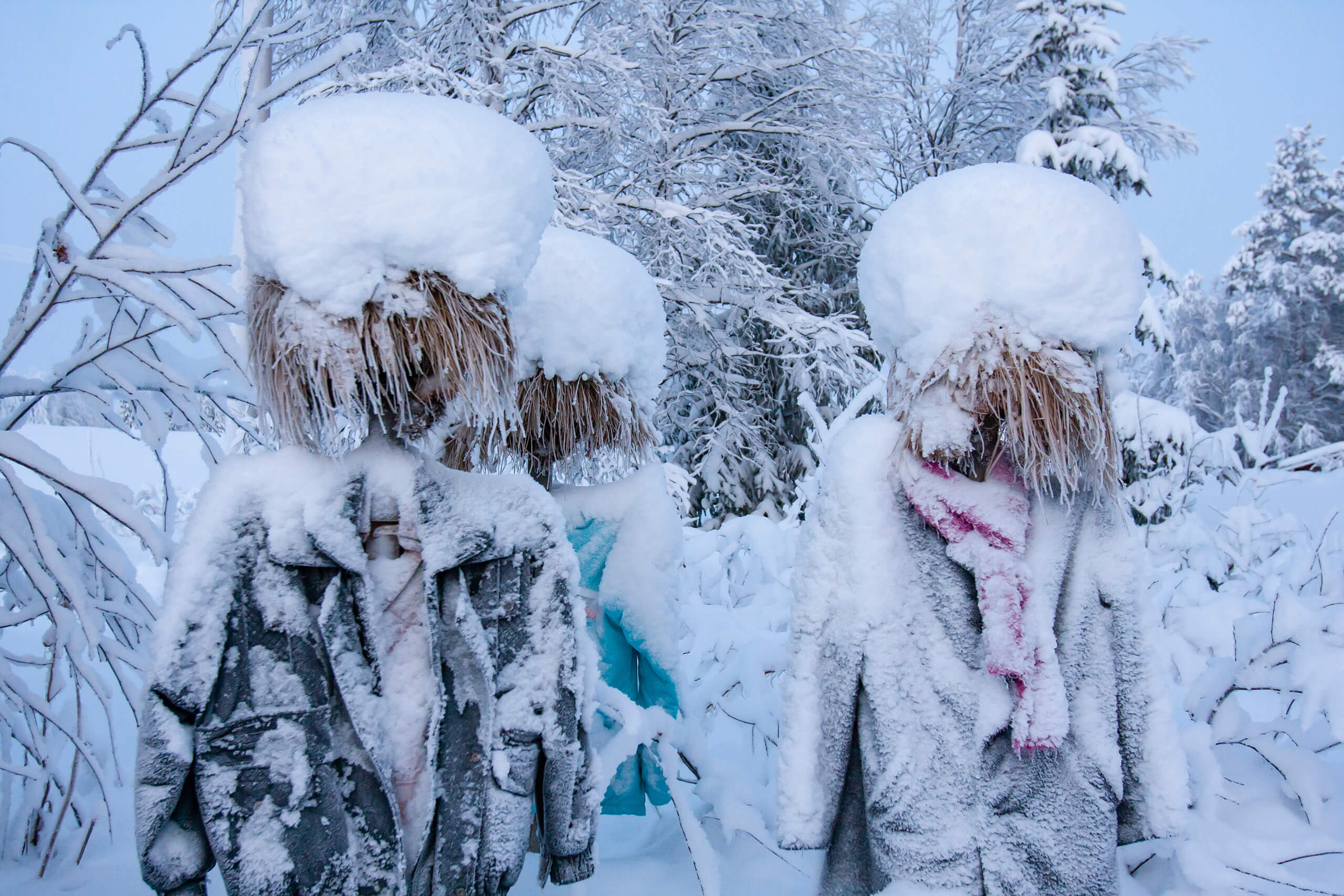
Scarecrows, predator decoys, and reflective balloons are widely used but rarely reliable. In wind or storms, they are easily shredded or blown away. Birds also habituate quickly to static decoys unless movement or unpredictability is introduced.
Learn more about the effectiveness of sound-based bird repellants.
See how different types of bird deterrent systems compare.
What Actually Holds Up in Harsh Conditions
Bird control solutions used in harsh environments must be simple, rugged, and made from materials that are weather-resistant long-term. Passive designs that don’t rely on power, moving parts, or adhesives tend to offer the most consistent and low-maintenance performance over time.
Rise Tape: A Weather-Resistant Bird Control Solution
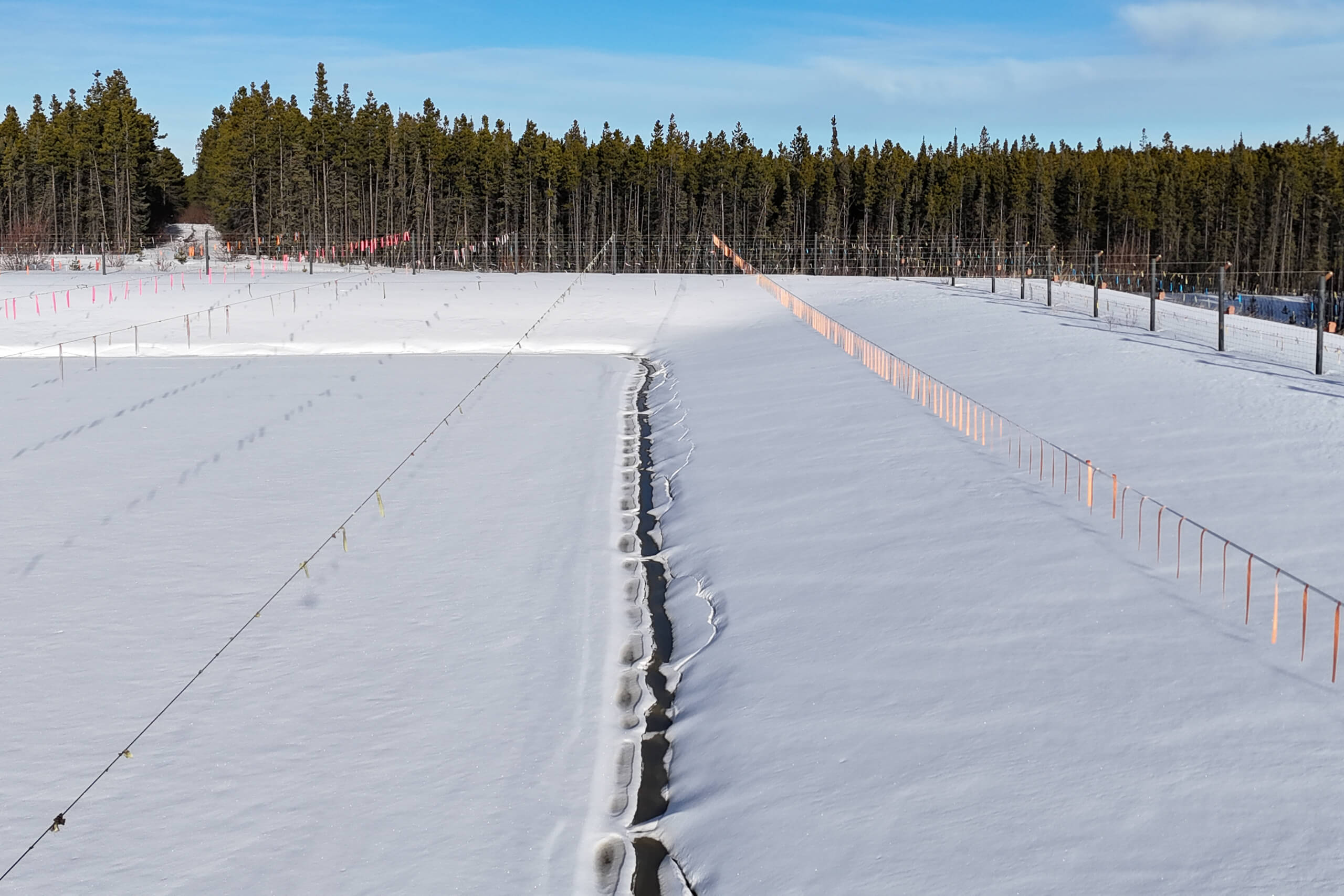
Rise Tape is a passive bird deterrent specifically designed for rugged outdoor conditions. It consists of a durable mainline with highly reflective, wind-activated flags that flash and flutter unpredictably. This creates visual disruption that deters birds without harming them.
Why Rise Tape Excels in Harsh Conditions
- UV-Resistant Flags – Designed to withstand prolonged sun exposure with significantly more durability than typical bird tape and survey ribbons.
- Wind-Activated Motion – Movement is powered by the very element that damages other deterrents.
- No Electronics or Adhesives – This eliminates the most common points of failure.
- Corrosion-Resistant Components – Suitable for coastal, industrial, and alpine environments, including sites with high salinity like tailings ponds.
- Low Maintenance – Once installed, it requires minimal upkeep compared to other bird control systems.
Used successfully in orchards, wind farms, shipping docks, and snowy rooftops, Rise Tape has proven effective where most solutions break down.
See how Rise Tape helped an energy company protect produced water storage facilities.
Conclusion
If you’re operating in a harsh climate, most deterrents won’t stand up to prolonged exposure to wind, moisture, snow, ice, salt, or UV radiation. Rise Tape offers a passive, weather-resistant bird control solution that consistently performs where other products fail. If you’re ready to protect your site with a proven system, contact us today for a consultation.