
Winter does not just make bird control harder, it changes how it works. Snow brightens backgrounds and absorbs higher‑frequency sound. The sun sits lower and days are shorter, which shifts when and where light catches deterrents. Cold, stable air alters how sound travels, and materials stiffen or turn brittle. This guide outlines what changes, why common tools underperform in winter, and how Rise Tape stays effective.
What Winter Changes and Why It Matters
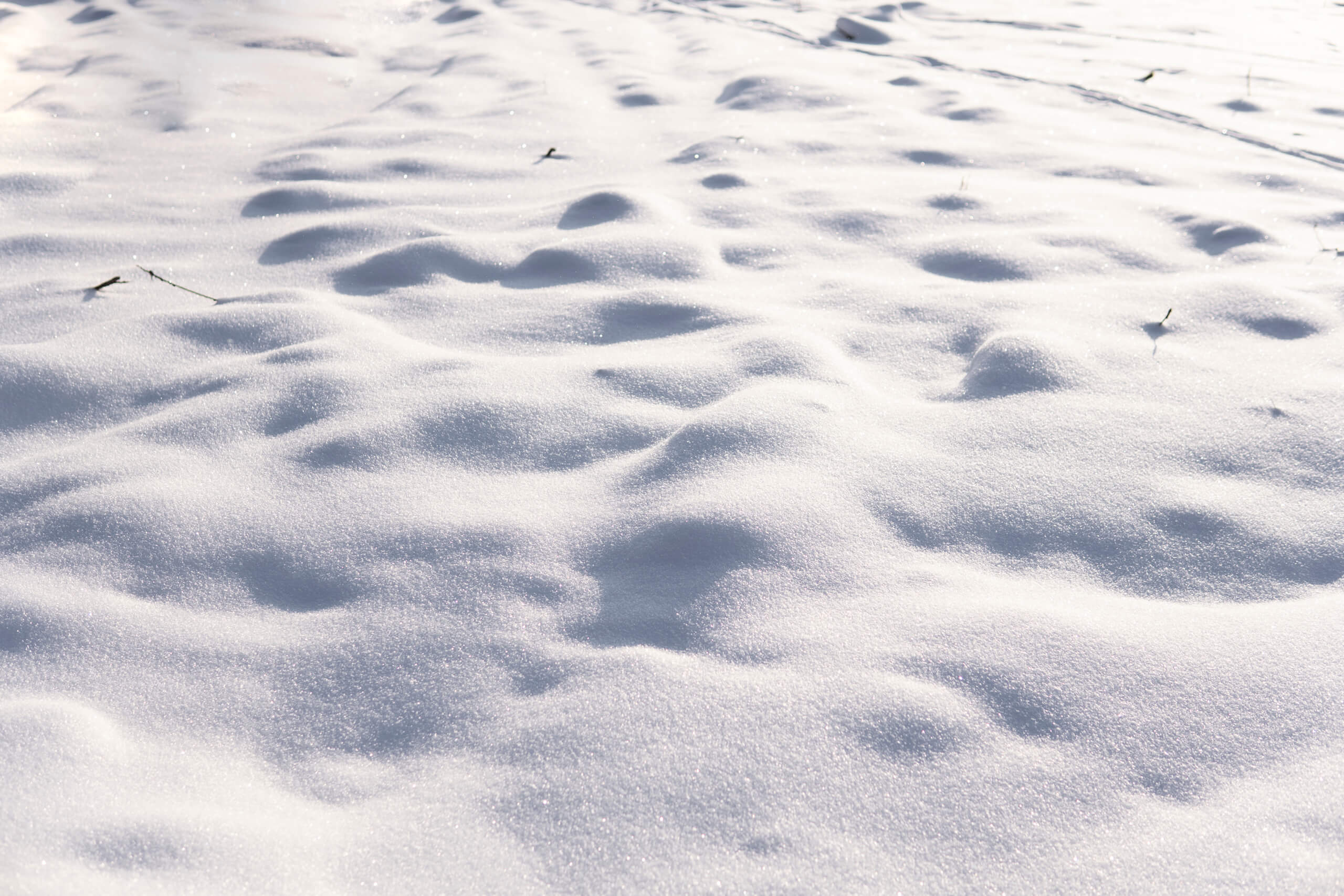
- Snow reflects a large share of sunlight (high albedo), and fresh, porous snow absorbs higher‑frequency sound.
- Winter sun stays low and daylight hours are shorter, so light direction and availability change through the day.
- Low temperatures make many materials stiffer or more brittle, and can change how sound travels in cold, stable air.
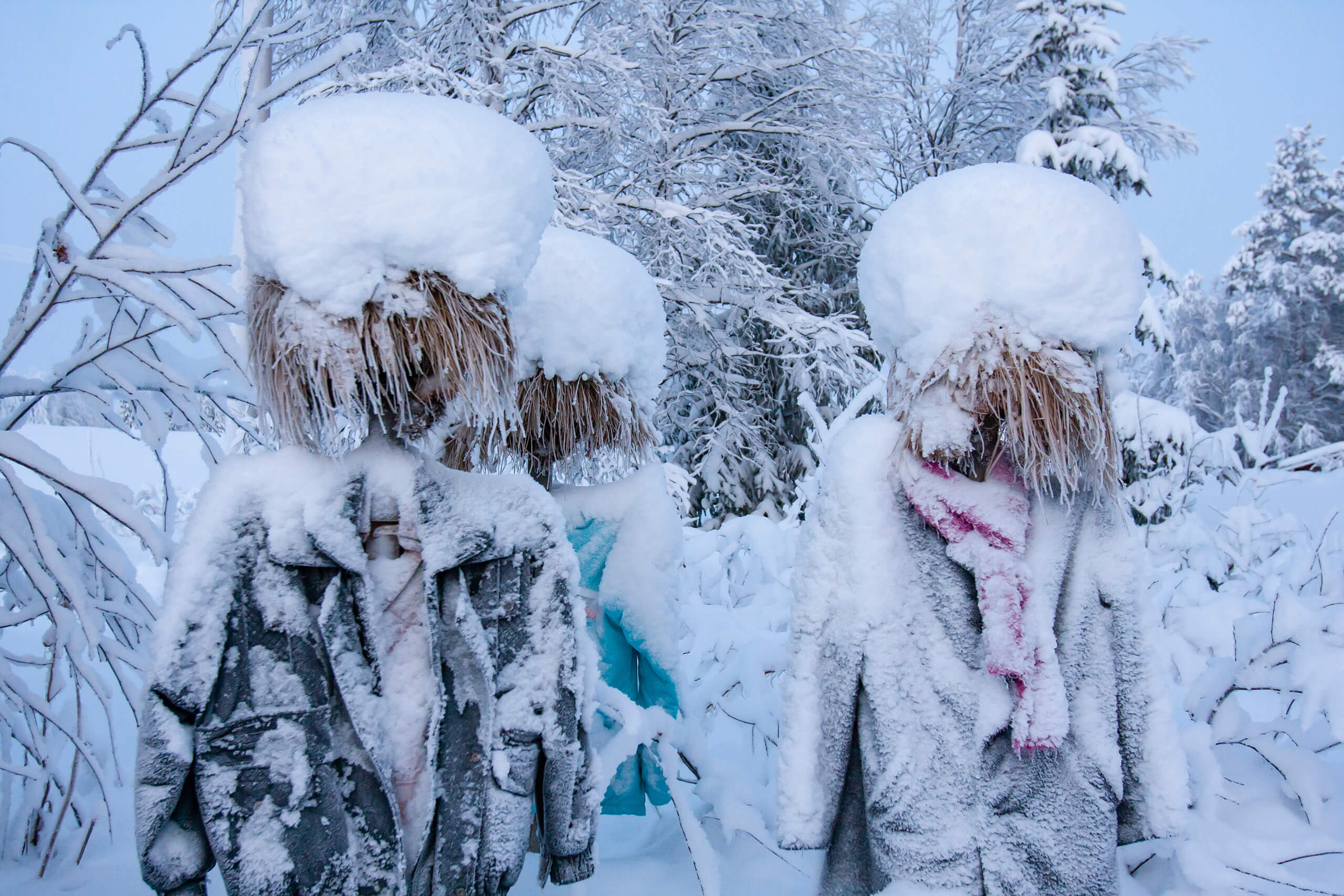
- Ice and rime form on exposed surfaces, adding weight, seizing moving parts, and temporarily bridging gaps; freeze–thaw cycles push water into joints and then expand as ice.
Where Common Bird Deterrents Struggle in Winter
Acoustic Devices in Cold, Calm Air
Propane cannons and call units behave differently in winter. Inversions can extend the audible footprint, but they don’t necessarily expand the effective deterrence zone. Propane cannons produce a broadband impulse: a low boom plus a brief high-frequency crack. Fresh snow absorbs the higher-frequency components. With distance, the sharp “crack” fades and you mainly hear the low rumble. Predator and distress calls can be dulled in these conditions, which can reduce performance.
Lights and Lasers on Snow and Fog
Lasers can move some species in low light. In winter, snowfall and fog scatter light, optics can ice over, and daylight glare off snow reduces the relative effect. Units mounted low may also be buried by drifts and may need clearing after storms.
Reflective-Only Visuals On Snow
Devices that rely only on specular reflection, like shiny bird scare tape, often lose contrast over bright snow. Overcast days further reduce flash, so cues can look muted against a white field.
When Deterrents Are Covered by Snow
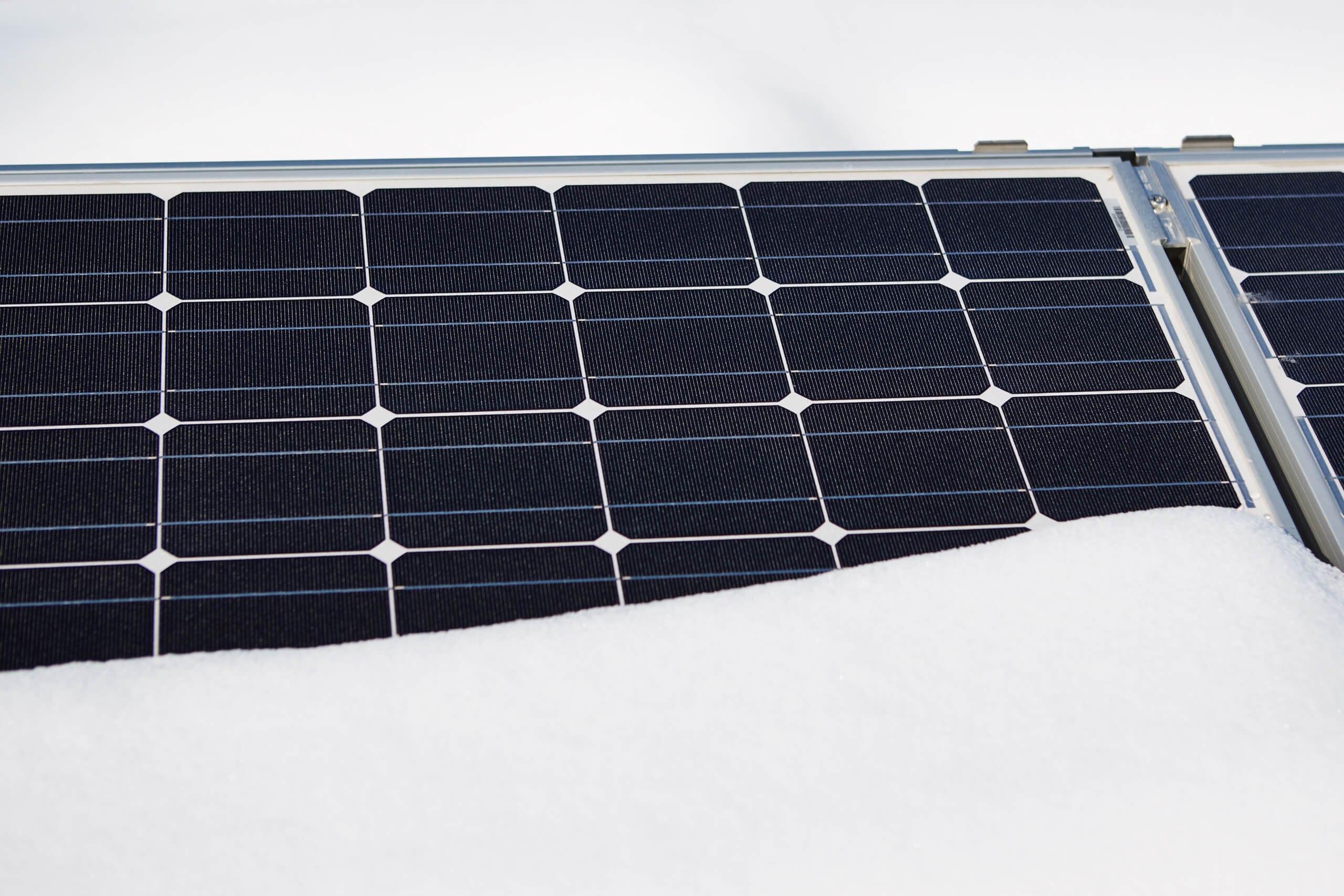
Snowfall and drifting can hide or submerge deterrents, especially those that sit low on surfaces, affecting their performance.
Ice and Rime Across Systems
Ice adds weight, can seize moving parts, and creates temporary bridges across gaps. Rime on fine wires and prongs can turn narrow elements into perches until it sheds. Melt–refreeze cycles push water into joints and connectors, where it can freeze and damage hardware.
Nets, Spikes, Wire, and Electrified Track in Freeze–Thaw
Thermal contraction changes tension and can loosen anchors. Freeze–thaw works on adhesives and sealants. De‑icing salts accelerate corrosion on unprotected metals. Meltwater can short exposed connectors on electrified track.
Chemical Repellents
In winter, gels can harden or crack, and cold, dense air reduces volatilization and dispersal, especially over snow.
Drones in Midwinter
Because batteries sag in the cold, flight time shortens. Blowing snow and wind chill add operational limits that increase cost.
Powered and Solar Units In Snow
Cold reduces battery capacity and slows recharge. Snow can blanket solar panels and stop generation until cleared. Short days shrink charging windows.
How Rise Tape Works in Winter
Rise Tape is a visual bird deterrent for winter bird control, using a mainline with high-contrast, reflective flags that create motion and flashes.
Why Rise Tape Remains Effective in Winter
- High contrast keeps it visible on bright snow, under overcast, and at low winter sun angles. It also remains visible under typical facility lighting at night. Under moonlight alone, visibility is usually short‑range but can still be detected by many species.
- Motion in the slightest breeze adds a dynamic cue whenever birds have enough light to see it, even when human vision is limited.
- No fuel, charging cycles, or speaker components to fail in freezing conditions.
- Built for exposure. The mainline is high‑strength and handles typical snow or rime build‑up, maintaining line integrity through freeze–thaw and light icing.

Summary
Winter rewrites the operating conditions for bird control: bright snow, low sun, calm stable air, ice, and short days. Methods that depend on power, rigid hardware, or precise acoustics often lose ground in these conditions. Rise Tape uses movement and contrast to keep visual cues working in the cold, with no batteries to fade. It remains a primary, low‑maintenance, weather-resistant bird deterrent on from first frost to spring melt.