
There are a lot of bold claims around avian behaviours and deterrents. This guide examines common bird control myths against credible research and sources you can verify. We explain how birds sense and adapt, what drives long-term success in repelling avian wildlife, and where Rise Tape, a visual deterrent based on wind-driven motion and flash, can serve as the primary visual option, especially for wide, open settings.
Myth 1 — “Ultrasound works.”
What the evidence suggests
- Avian hearing ranges vary by species, they generally do not hear above 20,000 Hz, making ultrasonic devices ineffective for bird control
Reference
- Montana State University Extension — Non‑Chemical Bird Control
Related reading
Myth 2 — “Decoys work long‑term.”
What the evidence suggests
- Habituation is expected when the stimulus doesn’t vary or pose real risk. Visual scare devices (decoy owls, balloons, flashers) are seldom effective if used alone or beyond a brief period; frequent changes and multi‑modal tactics help.
Reference
- Penn State Extension — Controlling Birds on Fruit Crops
Related reading

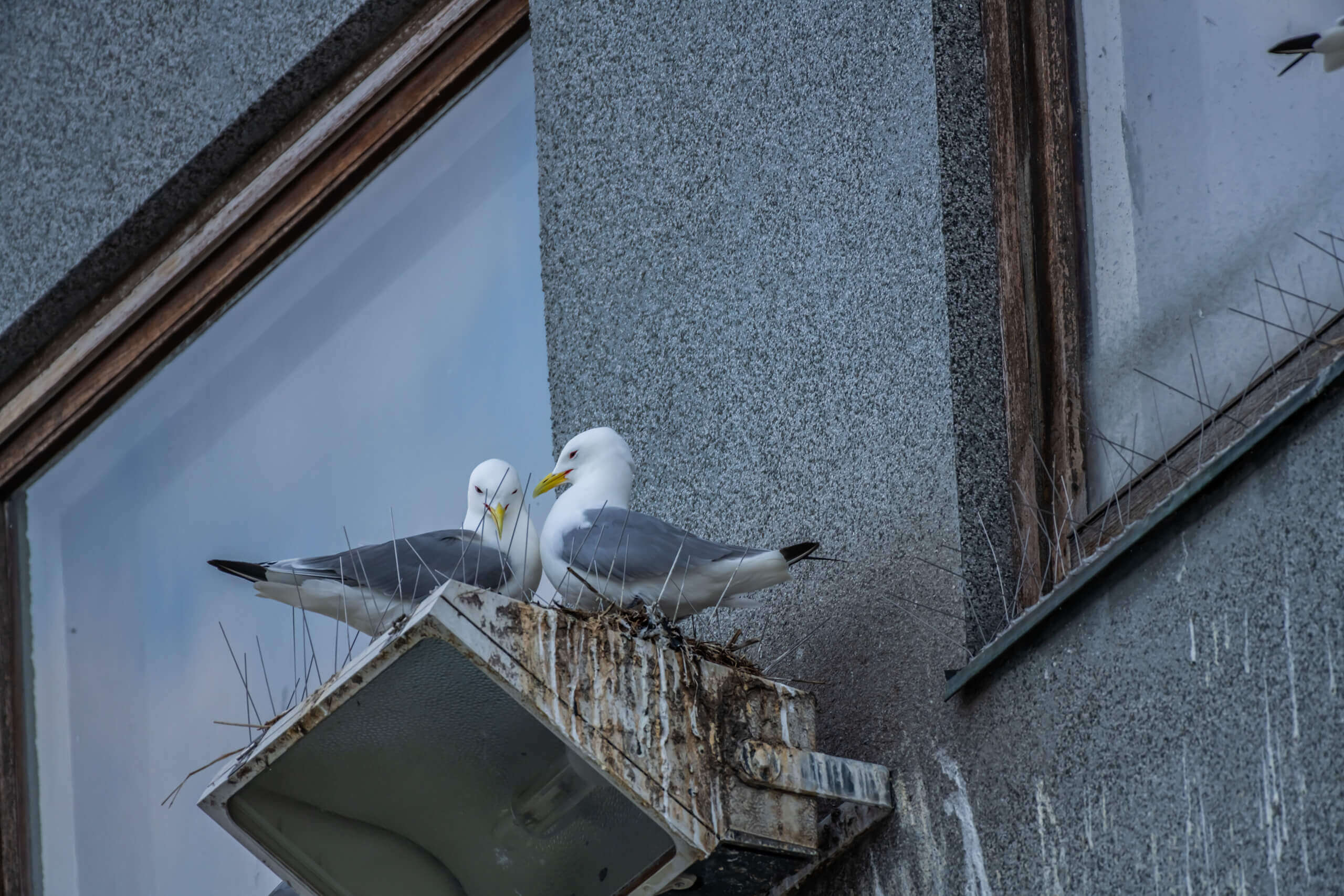
Myth 3 — “Spikes work for all species”
What the evidence suggests
- Ineffective against smaller birds that can use spaces in between spikes as nesting sites.
- While effective on horizontal surfaces where birds roost or nests, persistent cleaning is required to remove droppings, feather, and nesting materials.
Reference
- U.S. General Services Administration — Methods of Bird Control
Related reading
Myth 4 — “Reflective tape is just a gimmick.”
What the evidence suggests
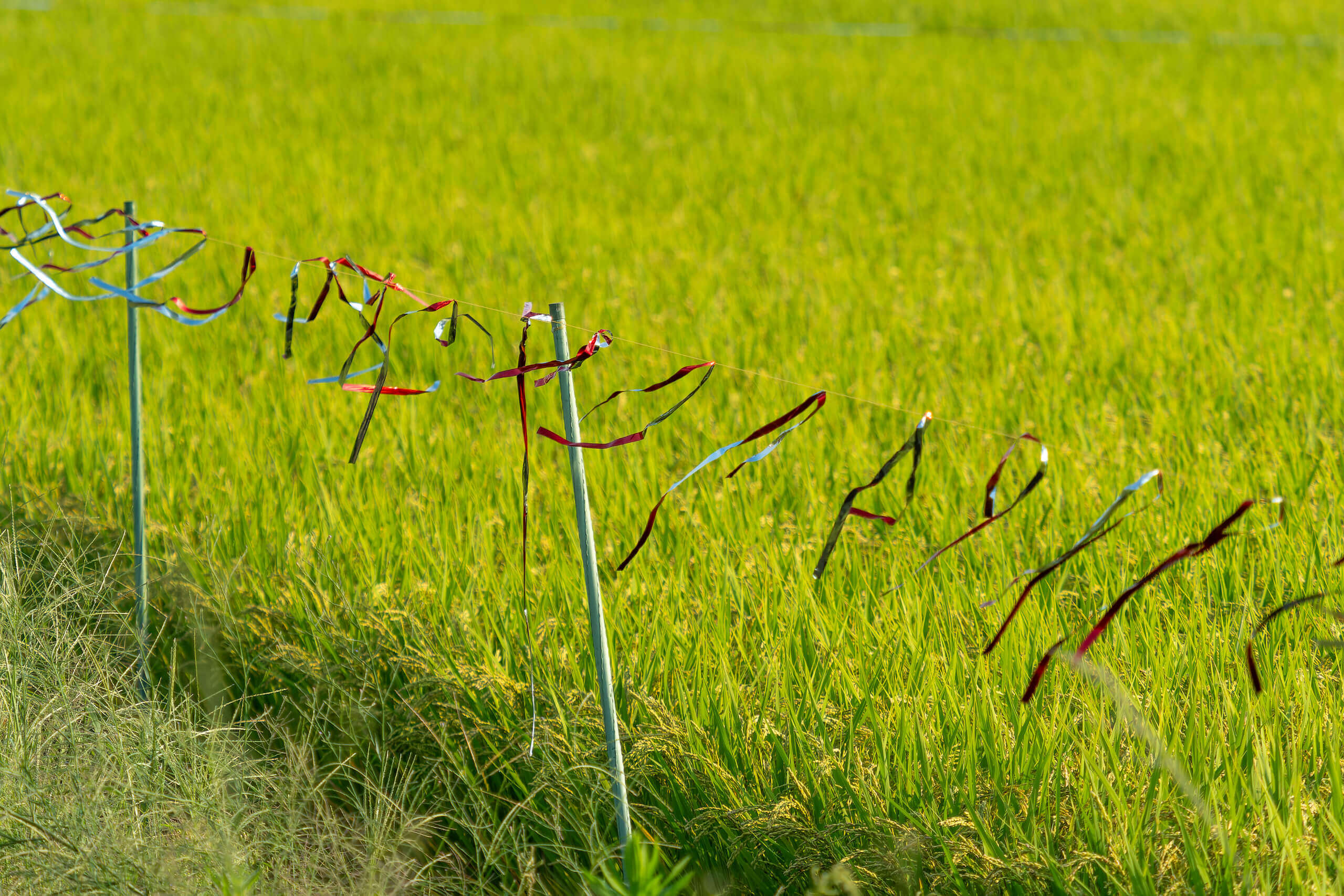
- Agricultural guidance supports reflective tapes and streamers as effective when properly deployed.
Reference
- Ontario Ministry of Agriculture, Food and Rural Affairs — Bird Control in Horticultural Crops
Related reading
Myth 5 — “If birds fly at night, deterrents can’t help.”
What the evidence suggests
- Many deterrents that aren’t visual-based remain effective regardless of light level.
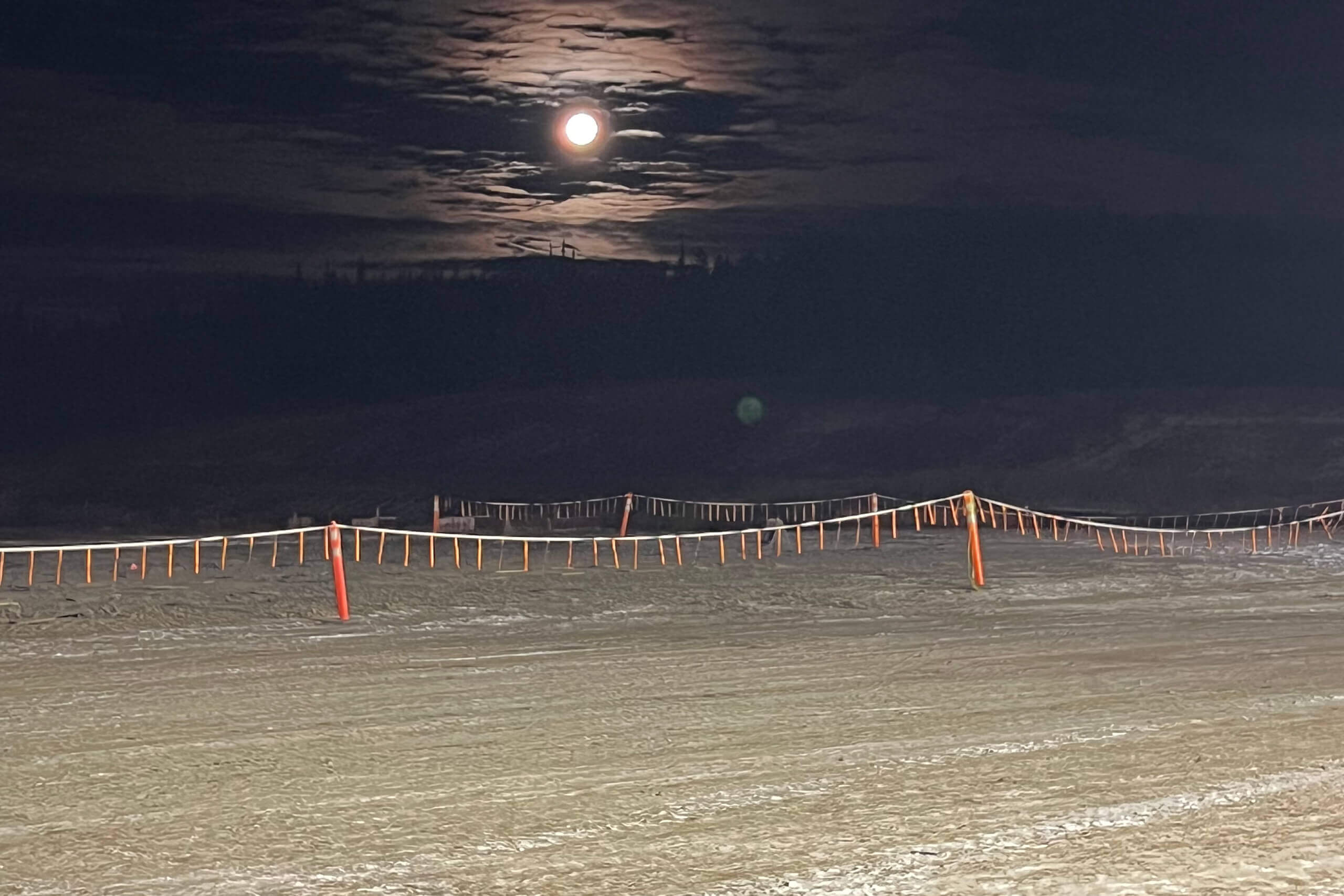
- Nocturnal species tend to have good night time vision, and evidence shows that diurnal birds can still see at night with enough moonlight. This suggests that some passive visual deterrents can still work with enough ambient light, such as facility lighting.
Reference
- Animal Behaviour — Moonlight triggers nocturnal display in a diurnal bird
- Journal of Vision — Night vision in barn owls: Visual acuity and contrast sensitivity under dark adaptation
Related reading
Myth 6 — “Shade balls eliminate bird issues.”
What the evidence suggests
- Shade balls only prevent birds from landing in bodies of water where there is coverage. Surrounding areas remain unprotected.
- They are more commonly used to prevent evaporation and the formation of bromate, a carcinogenic chemical, in reservoirs.
Reference
- Wikipedia — Shade Ball
Related reading
Myth 7 — “Birth control is a silver bullet.”
What the evidence suggests
- Nicarbazin‑based fertility control can reduce pigeon populations when bait uptake is consistent and programmatic (months–years), but it’s species‑limited as different species have different feeding habits, requires permits/label compliance, and stops working when dosing stops.
Reference
- University of Florida IFAS — Avicides
Related reading
Myth 8 — “Chemicals are the most reliable option.”
What the evidence suggests
- Anthraquinone and methyl anthranilate (MA) have evidence of repellency in certain contexts, but efficacy is species‑ and application‑specific, often requires re‑treatment, and must follow label/permits.
Reference
- University of California Agriculture and Natural Resources — Birds on Tree Fruits and Vines
Related reading
Myth 9 — “Any ribbon = same result.”
What the evidence suggests
- Cheaply made ribbons or tapes can fade, delaminate, fray or detach under UV, wind, and weather, which renders them ineffective.
- A study noted Mylar flags frayed into small strips and required frequent untangling.
Reference
- University of Nebraska — Mylar Flags as Gull Deterrents
Related reading
Myth 10 — “All deterrents fail due to habituation.”
What the evidence suggests
- Frightening devices can lose effect if used repetitively and predictably; managers are advised to rotate and vary them to delay habituation.
- Physical obstruction work by denying access, discomfort-based deterrents make birds not want to be there, so they are not subject to habituation in the same way.
Reference
- University of California Agriculture and Natural Resources — Birds on Tree Fruits and Vines
Related reading
Myth 11 — “Propane cannons are the gold standard.”
What the evidence suggests
- Cannons can provide short‑term displacement but draw complaints, face time‑of‑day and proximity restrictions, and require rotation/timing to delay habituation.
Reference
- Government of British Columbia — Audible Bird Scare Devices in B.C.

Myth 12 — “Netting hurts yields/quality.”
What the evidence suggests
- For crops, netting remains the most effective exclusion. However, practical challenges are cost and labour, especially for large scale operations and uneven terrains.
Reference
- University of California Agriculture and Natural Resources — Birds on Tree Fruits and Vines
Where Rise Tape Helps
Rise Tape is a passive visual deterrent built on motion and flash. A tensioned mainline supports securely sewn, reflective flags that move with the wind, producing irregular flutter and bright cues. Integrated reflective lines reinforce visibility in daylight and keep the system visible under moonlight and common facility lighting.
Deployed in a grid with appropriate spacing, Rise Tape creates a field of unpredictable cues that helps reduce risk of habituation, especially for migratory birds. It can be installed over open water and across wide spans where spikes or netting are impractical.
